Activity
Mon
Wed
Fri
Sun
Oct
Nov
Dec
Jan
Feb
Mar
Apr
May
Jun
Jul
Aug
Sep
What is this?
Less
More
Owned by Carlos
🚀 Learn How To Run Construction Projects With Structure, Control, And Profit…. And Grow From Operator To CEO.
Official Partner Platform For Professionals Building and Scaling Stretch Ceiling Businesses with Cutting Edge Systems.
28 contributions to Construction Project Leaders

3d •
If the foundation is wrong, everything built on it gets more expensive.
Most contractors are eager to get past the foundation and start seeing the project take shape. But rushing layout, prep, inspections, or verification doesn't save time. It simply pushes the problem into the next phase. Then walls don't line up, materials don't fit, crews lose time, and everyone starts fixing problems that should have been caught before the build moved forward. Strong construction project management isn't about moving fast. It's about getting the critical things right before you build on top of them. Verify the layout. Confirm the prep. Control the sequence. Hold the standard. A weak foundation creates problems you’ll keep paying for. Tight contractor systems catch them before they multiply.
3
0
16d •
Your client isn’t changing the project. Your lack of boundaries is.
Every time you say, “The client keeps changing their mind,” take a harder look at what happened before the project started. Were the decisions actually locked? Was the scope specific enough to eliminate assumptions? Did you explain what happens when the client wants something different? If the answer is no, then you didn't create flexibility. You created an open door for the project to keep changing. And once the work starts, every “small” request becomes another conversation, another delay, another cost you have to chase down. Strong construction project management doesn't depend on having an easy client. It depends on having a process that can handle a difficult one. Your Scope of Work should define the work, your contractor systems should control how changes are requested and approved, and your team should never start extra work because someone said, “We'll figure it out later.” That's how you protect your schedule, your construction budgeting, and your authority on the project. You don't need better clients. You need stronger boundaries. If your last project kept changing, don't just ask what the client did. Ask what you allowed.
4
0
25d •
Your schedule doesn't fail when someone falls behind. It fails when nobody knows what happens next.
Most contractors build a timeline, assign dates, and assume the project will follow the plan. Then reality hits. One trade finishes late. Materials aren't ready. An inspection gets pushed. The next crew shows up with nowhere to work, and suddenly everyone is scrambling to "get back on schedule." But the real problem isn't the delay. It's that the entire plan depended on everything going perfectly. Strong project scheduling isn't about predicting the future. It's about controlling what happens when things don't go according to plan. Who adjusts the sequence? Who communicates the change? What work can move forward while another activity is delayed? If nobody has those answers, your team isn't following a schedule. They're waiting for the next problem to tell them what to do. That's weak construction project management. The contractors who consistently stay ahead don't spend every week chasing lost time. They build contractor systems that create visibility, accountability, and clear next steps before the job gets stuck. If one delay can throw your entire project into chaos, your schedule was never under control to begin with.
2
0
Aug 18 •
Your projects aren't difficult. They're unmanaged.
Most contractors blame the economy. The client. The subcontractors. The weather. But if the same problems keep showing up on every job, the problem isn't the project. It's the system behind it. Construction project management only breaks down in four places: your Scope of Work, your Schedule, your Budget, or your Leadership. When one pillar gets weak, everything else starts to crack. Delays become normal. Costs climb. Your team waits for answers instead of making progress. Chaos becomes part of the job because you've accepted it as "just construction." So be honest. Which pillar is costing you the most right now? 1. Scope of Work – Unclear expectations, constant changes, and rework. 2. Schedule – Missed deadlines, poor sequencing, and crews waiting. 3. Budget – Profit disappearing one decision at a time. 4. Leadership – The project stops every time you're not there. 5. Other – Tell us what's happening. Drop the number below and describe the problem in one sentence. No excuses. No fluff. Just the truth.
3
0
Aug 3 •
You don't have a communication problem. You have an ownership problem.
Every contractor says communication is important. Then the job starts, and everyone's phone starts ringing. The superintendent calls because the electrician has a question. The electrician is waiting on the plumber. The client wants an update. The supplier needs confirmation. Before noon, you've answered twenty calls that never should have reached you in the first place. That's not communication. That's a project with no ownership. Construction project management breaks down when responsibilities are vague. People stop making decisions because they aren't sure if they're allowed to. Instead of solving problems, they pass them upstream until everything lands on your desk. Now you're spending your day answering questions instead of leading the project. The result isn't just frustration. It destroys project scheduling. Crews wait for approvals. Materials don't get ordered on time. Small delays stack into larger ones, and suddenly you're wondering why another project is behind schedule. Strong contractor systems eliminate unnecessary conversations by creating clear ownership before work begins. Every task has a person responsible. Every decision has a defined authority. Every issue follows a process instead of a phone call. Good communication doesn't mean everyone talks more. It means everyone already knows what they're responsible for. The strongest construction leaders don't build teams that constantly ask for direction. They build teams that know exactly what to own.
3
0

1-10 of 28
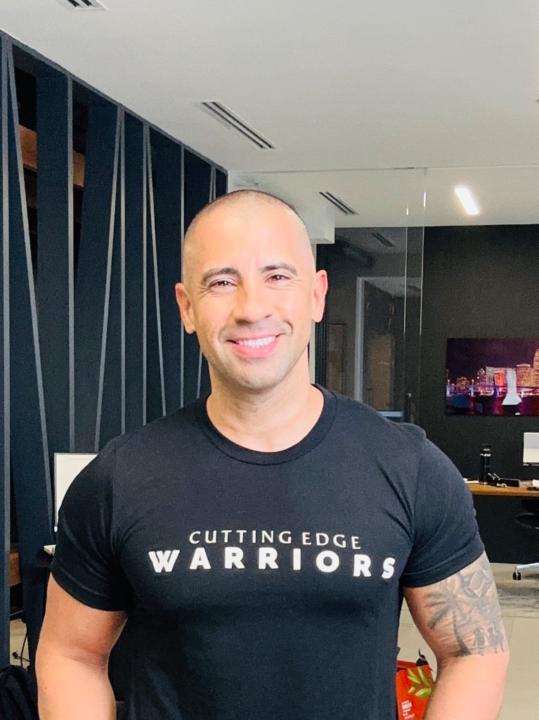
@carlos-guerrero-1171
Construction CEO Building Structured Companies, Partner Networks, And Project Leaders Nationwide.
Cant Stop, Wont Stop, Let's Go!
Active 1d ago
Joined Feb 20, 2026
Miami
Powered by