Activity
Mon
Wed
Fri
Sun
Oct
Nov
Dec
Jan
Feb
Mar
Apr
May
Jun
Jul
Aug
What is this?
Less
More
Owned by Erin
Astrology, Tarot, and Moon Magic for Personal Growth & Transformation ✨🎴💫 Join us for the September Daily Cards Challenge!
Helping Impact Entrepreneurs Turn Experience and Expertise Into Products and Services That Sell 🌟
Synthesizer Scaling
341 members • $1,950/month
Collab & Win 🥇
106 members • Free
ADHDizzle (ADHD Reset)
5.5k members • Free
ADHD & Hormones: Harmonise You
620 members • Free
Iconic Founders
18 members • Free
School of Mentors
5.7k members • $39/month
Skoolers
161.5k members • Free
Raising Change Globally
98 members • $35/month
Akashic Records Skool
142 members • Free
8 contributions to The Potted Garden Society

Aug '25 •
A Little Housecleaning 🧹
I spent sometime today rearranging some of our categories for the community. Some were a little redundant and needed to be combined to make room for some others. All the posts have been moved to their appropriate category. I've also added a new section to bring some fun and games to the group along with all the tips and tricks we are sharing. Check out the new Garden Games & Giveaways. This is where we will host our monthly giveaways as well as some new activities just for the fun of it. Our current giveaway is in the Garden Games & Giveaways category. Check it out, you still have time to win a set of FIVE 5 Gallon Grow Bags.

🚀
3 likes • Aug '25
@Stephanie Lucas Virtual garden! 🥹
Aug '25 •
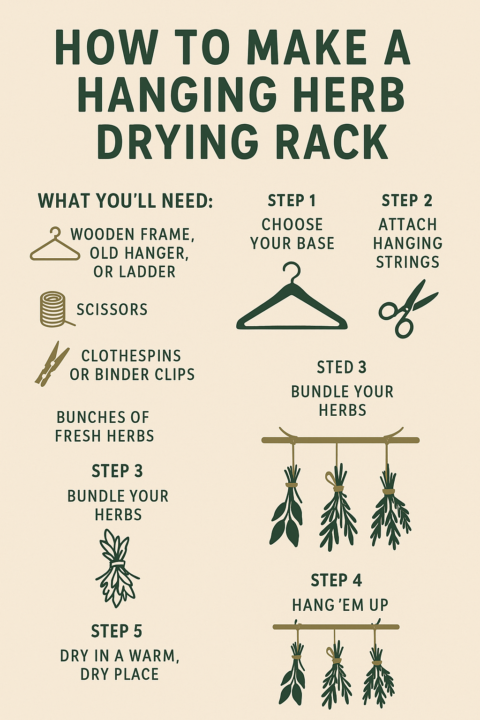
How to Make a Hanging Herb Drying Rack
When your container herb garden is overflowing with fragrant sprigs of basil, mint, thyme, and rosemary, it’s time to start thinking about preserving those flavors for later. One of the simplest (and prettiest!) ways to do that? A homemade hanging herb drying rack. Whether you hang it in a sunny kitchen window or a dry pantry corner, this DIY project is a charming and practical way to celebrate your herbal harvest. 🌿 𝐖𝐡𝐲 𝐃𝐫𝐲 𝐇𝐞𝐫𝐛𝐬? Drying herbs is a low-cost, natural way to preserve their flavor and aroma. It also saves space—perfect for small-space and container gardeners. You can use dried herbs in cooking, teas, homemade sachets, and even DIY gifts. 🧰 𝐖𝐡𝐚𝐭 𝐘𝐨𝐮’𝐥𝐥 𝐍𝐞𝐞𝐝: * A wooden frame, old hanger, or small ladder * Twine or jute string * Scissors * Clothespins or binder clips (optional) * Small bunches of freshly harvested herbs * A warm, dry place with good air circulation 🛠️ 𝐒𝐭𝐞𝐩-𝐛𝐲-𝐒𝐭𝐞𝐩 𝐈𝐧𝐬𝐭𝐫𝐮𝐜𝐭𝐢𝐨𝐧𝐬: 𝟏. 𝐂𝐡𝐨𝐨𝐬𝐞 𝐘𝐨𝐮𝐫 𝐁𝐚𝐬𝐞 * Repurpose an old wooden hanger, a picture frame, or even a tree branch for a rustic look. * A ladder-style plant stand or wall rack also works beautifully if you have extra space. 𝟐. 𝐀𝐭𝐭𝐚𝐜𝐡 𝐇𝐚𝐧𝐠𝐢𝐧𝐠 𝐒𝐭𝐫𝐢𝐧𝐠𝐬 * Cut lengths of twine or jute and tie them horizontally across the base, creating a simple grid or rows of lines. * Secure tightly so they won’t sag under the weight of the herbs. 𝟑. 𝐁𝐮𝐧𝐝𝐥𝐞 𝐘𝐨𝐮𝐫 𝐇𝐞𝐫𝐛𝐬 * Harvest herbs like rosemary, thyme, oregano, sage, lavender, mint, or basil. * Tie them into small bundles using another piece of twine or a rubber band at the stem base. 𝟒. 𝐇𝐚𝐧𝐠 ‘𝐄𝐦 𝐔𝐩 * Hang the herb bundles upside down by tying them directly to the rack or clipping them with clothespins or clips. * Make sure they have good airflow and aren’t too crowded. 𝟓. 𝐅𝐢𝐧𝐝 𝐭𝐡𝐞 𝐑𝐢𝐠𝐡𝐭 𝐒𝐩𝐨𝐭 * Hang your rack in a warm, dry area away from direct sunlight. * A pantry, laundry room, or sunny window with filtered light is perfect. 𝟔. 𝐖𝐚𝐢𝐭 & 𝐒𝐭𝐨𝐫𝐞 * Most herbs dry in 1–2 weeks depending on humidity. * Once fully dry (crispy, not limp), crumble and store in airtight jars or paper envelopes in a cool, dark spot.
🚀
2 likes • Aug '25
Gorgeous tip!! I'm so going to use this. Thank you!!
Jul '25 •
Growing Drought-Tolerant Flowers in Containers: Tips for a Water-Wise Garden
Looking for a colorful, low-maintenance way to brighten your patio or balcony? Drought-tolerant flowers are perfect for container gardeners who want beauty without the high water bill—or the daily watering routine. These hardy blooms not only save water, but also thrive in the summer heat and bring pollinators to your space. 𝐖𝐡𝐲 𝐆𝐨 𝐃𝐫𝐨𝐮𝐠𝐡𝐭-𝐓𝐨𝐥𝐞𝐫𝐚𝐧𝐭? * 𝐂𝐨𝐧𝐬𝐞𝐫𝐯𝐞 𝐰𝐚𝐭𝐞𝐫: Great for dry regions or water-restricted areas. * 𝐋𝐞𝐬𝐬 𝐦𝐚𝐢𝐧𝐭𝐞𝐧𝐚𝐧𝐜𝐞: Ideal for busy gardeners or vacationers. * 𝐑𝐞𝐬𝐢𝐥𝐢𝐞𝐧𝐭 𝐩𝐥𝐚𝐧𝐭𝐬: Many are naturally adapted to hot, dry conditions. 𝐁𝐞𝐬𝐭 𝐃𝐫𝐨𝐮𝐠𝐡𝐭-𝐓𝐨𝐥𝐞𝐫𝐚𝐧𝐭 𝐅𝐥𝐨𝐰𝐞𝐫𝐬 𝐟𝐨𝐫 𝐂𝐨𝐧𝐭𝐚𝐢𝐧𝐞𝐫𝐬 𝟏. 𝐏𝐨𝐫𝐭𝐮𝐥𝐚𝐜𝐚 (𝐌𝐨𝐬𝐬 𝐑𝐨𝐬𝐞) * Vibrant, sun-loving blooms that trail beautifully over container edges. * Loves heat and requires minimal watering. 𝟐. 𝐆𝐚𝐳𝐚𝐧𝐢𝐚 * Daisy-like flowers in bold colors that open in sunlight. * Withstands drought and poor soil with ease. 𝟑. 𝐙𝐢𝐧𝐧𝐢𝐚𝐬 * Bright, bold, and butterfly-friendly. * Once established, tolerate dry spells well. 𝟒. 𝐋𝐚𝐯𝐞𝐧𝐝𝐞𝐫 * Fragrant and elegant, this Mediterranean native thrives in dry conditions. * Use well-draining soil and a deep pot for best results. 𝟓. 𝐕𝐞𝐫𝐛𝐞𝐧𝐚 * Prolific bloomer and perfect for trailing from hanging baskets or containers. * Heat- and drought-tolerant once established. 𝟔. 𝐂𝐨𝐫𝐞𝐨𝐩𝐬𝐢𝐬 * Cheerful yellow and red tones that bloom all summer. * Requires little watering once rooted. 𝐂𝐨𝐧𝐭𝐚𝐢𝐧𝐞𝐫 𝐓𝐢𝐩𝐬 𝐟𝐨𝐫 𝐖𝐚𝐭𝐞𝐫-𝐖𝐢𝐬𝐞 𝐅𝐥𝐨𝐰𝐞𝐫𝐬 𝐔𝐬𝐞 𝐭𝐡𝐞 𝐑𝐢𝐠𝐡𝐭 𝐏𝐨𝐭 * Choose terracotta for breathability or plastic/glazed pots to retain more moisture. * Always ensure good drainage to prevent root rot. 𝐂𝐡𝐨𝐨𝐬𝐞 𝐭𝐡𝐞 𝐑𝐢𝐠𝐡𝐭 𝐒𝐨𝐢𝐥 * Use a well-draining potting mix, ideally with added perlite or sand. * Avoid heavy soils that retain too much moisture. 𝐌𝐮𝐥𝐜𝐡 𝐭𝐡𝐞 𝐒𝐮𝐫𝐟𝐚𝐜𝐞 * Add a layer of gravel, pebbles, or organic mulch to help retain moisture and reduce evaporation. 𝐖𝐚𝐭𝐞𝐫 𝐒𝐦𝐚𝐫 * Water deeply but less frequently to encourage deep root growth. * Water early in the day to minimize evaporation. * Consider using self-watering containers or a drip irrigation system.
🚀
2 likes • Jul '25
Wow this is a lot of what I’ve just learned the hard way here in Barcelona with our summer climate feeling more and more like the south of Spain every year!
Jul '25 •
Blossom End Rot: Why It Happens in Containers and How to Prevent It
You’ve been nurturing your container-grown tomatoes, peppers, or squash with care—only to discover a dark, sunken spot at the base of the fruit. That’s blossom end rot, and it’s a frustrating problem that strikes even the most attentive gardeners. The good news? It’s preventable with the right approach. 𝐖𝐡𝐚𝐭 𝐈𝐬 𝐁𝐥𝐨𝐬𝐬𝐨𝐦 𝐄𝐧𝐝 𝐑𝐨𝐭? Blossom end rot is a physiological disorder (not a disease) caused by a calcium imbalance in the plant. It shows up as a black or brown leathery patch at the bottom (blossom end) of the fruit. 𝐖𝐡𝐲 𝐈𝐭 𝐇𝐚𝐩𝐩𝐞𝐧𝐬 𝐢𝐧 𝐂𝐨𝐧𝐭𝐚𝐢𝐧𝐞𝐫𝐬 * Inconsistent Watering: Fluctuations in soil moisture make it harder for plants to absorb calcium. * Calcium Deficiency: Often not due to a lack of calcium in the soil, but the plant’s inability to take it up. * Poor Soil Mix: Using soil that lacks nutrients or drains poorly can contribute. * Overfertilizing: Excess nitrogen can promote rapid growth and outpace calcium availability. 𝐂𝐨𝐦𝐦𝐨𝐧 𝐂𝐫𝐨𝐩𝐬 𝐀𝐟𝐟𝐞𝐜𝐭𝐞𝐝 * Tomatoes (especially early fruit) * Peppers * Squash and zucchini * Eggplant 𝐇𝐨𝐰 𝐭𝐨 𝐏𝐫𝐞𝐯𝐞𝐧𝐭 𝐁𝐥𝐨𝐬𝐬𝐨𝐦 𝐄𝐧𝐝 𝐑𝐨𝐭 𝐢𝐧 𝐂𝐨𝐧𝐭𝐚𝐢𝐧𝐞𝐫𝐬 𝟏. 𝐖𝐚𝐭𝐞𝐫 𝐂𝐨𝐧𝐬𝐢𝐬𝐭𝐞𝐧𝐭𝐥𝐲 * Keep soil evenly moist—not too dry or soggy. * Water deeply and regularly, especially during hot or windy weather. * Consider self-watering containers or drip irrigation for steady moisture. 𝟐. 𝐔𝐬𝐞 𝐭𝐡𝐞 𝐑𝐢𝐠𝐡𝐭 𝐏𝐨𝐭𝐭𝐢𝐧𝐠 𝐌𝐢𝐱 * Choose a high-quality potting mix with good drainage and organic matter. * Avoid using straight garden soil or reused mix that may be depleted. 𝟑. 𝐀𝐝𝐝 𝐂𝐚𝐥𝐜𝐢𝐮𝐦 * Mix in crushed eggshells, bone meal, or garden lime when planting. * Use a balanced liquid fertilizer with calcium if needed. * Foliar sprays can help, but root uptake is more effective long-term. 𝟒. 𝐀𝐯𝐨𝐢𝐝 𝐎𝐯𝐞𝐫𝐟𝐞𝐫𝐭𝐢𝐥𝐢𝐳𝐢𝐧𝐠 * Too much nitrogen encourages leafy growth at the expense of fruit health. * Use a balanced or low-nitrogen fertilizer designed for fruiting plants. 𝟓. 𝐂𝐡𝐨𝐨𝐬𝐞 𝐭𝐡𝐞 𝐑𝐢𝐠𝐡𝐭 𝐂𝐨𝐧𝐭𝐚𝐢𝐧𝐞𝐫 𝐒𝐢𝐳𝐞 * larger pots help regulate moisture and reduce stress. * For tomatoes and peppers, aim for containers at least 5 gallons in size.
🚀
2 likes • Jul '25
@Stephanie Lucas
🚀
2 likes • Jul '25
@Stephanie Lucas Ya know… An inkling that this might be timely what with the 18 acres of vegetables you planted on your front lawn 🤣🤣🤣
Jun '25 •
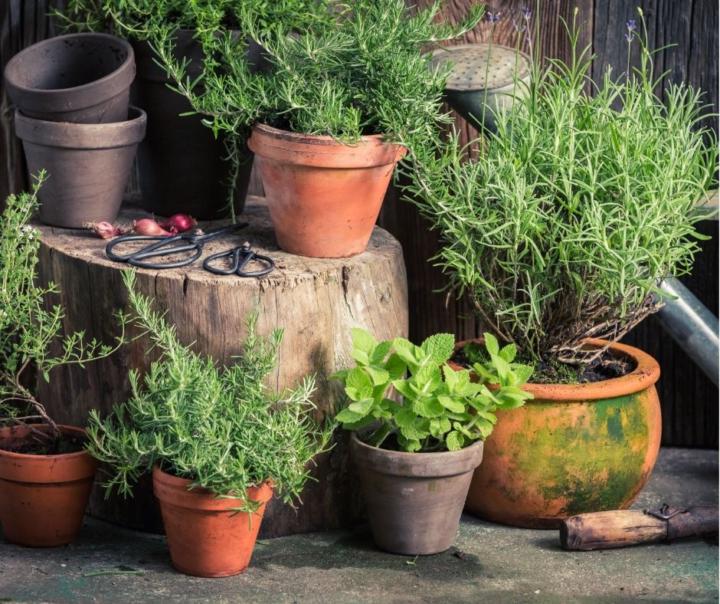
Container Gardening for Culinary Herbs: A Beginner’s Guide
If you love to cook, why not grow the herbs you use most right outside your kitchen—or even on your windowsill? Culinary herbs are some of the easiest and most rewarding plants to grow in containers. This beginner’s guide will walk you through everything you need to know to create your own flavorful herb garden. 𝐖𝐡𝐲 𝐆𝐫𝐨𝐰 𝐂𝐮𝐥𝐢𝐧𝐚𝐫𝐲 𝐇𝐞𝐫𝐛𝐬 𝐢𝐧 𝐂𝐨𝐧𝐭𝐚𝐢𝐧𝐞𝐫𝐬? * 𝐂𝐨𝐧𝐯𝐞𝐧𝐢𝐞𝐧𝐜𝐞: Keep fresh herbs close by for cooking. * 𝐒𝐩𝐚𝐜𝐞-𝐬𝐚𝐯𝐢𝐧𝐠: Perfect for balconies, patios, or sunny windowsills. * 𝐂𝐮𝐬𝐭𝐨𝐦𝐢𝐳𝐚𝐛𝐥𝐞: Grow what you love to use—no waste! * Low maintenance: Herbs are generally easy to care for and forgiving. 𝐁𝐞𝐬𝐭 𝐇𝐞𝐫𝐛𝐬 𝐟𝐨𝐫 𝐁𝐞𝐠𝐢𝐧𝐧𝐞𝐫𝐬 Start with these easy-to-grow, frequently used culinary herbs: * 𝐁𝐚𝐬𝐢𝐥: Loves warmth and sun; great in sauces, salads, and pesto. * 𝐏𝐚𝐫𝐬𝐥𝐞𝐲: Easy to grow in sun or partial shade; adds freshness to many dishes. * 𝐂𝐡𝐢𝐯𝐞𝐬: Mild onion flavor; perfect for soups, eggs, and potatoes. * 𝐌𝐢𝐧𝐭: Great for drinks and desserts; keep it in its own pot to prevent spreading. * 𝐓𝐡𝐲𝐦𝐞: Drought-tolerant and flavorful; excellent in meat and veggie dishes. * 𝐂𝐢𝐥𝐚𝐧𝐭𝐫𝐨: Best in cooler weather; essential for salsas and curries. 𝐂𝐡𝐨𝐨𝐬𝐢𝐧𝐠 𝐭𝐡𝐞 𝐑𝐢𝐠𝐡𝐭 𝐂𝐨𝐧𝐭𝐚𝐢𝐧𝐞𝐫𝐬 * Use containers with drainage holes to prevent soggy soil. * Smaller pots (6–8 inches deep) work well for most herbs. * Consider individual pots or a larger container with dividers for multiple herbs. 𝐒𝐨𝐢𝐥 𝐚𝐧𝐝 𝐒𝐮𝐧𝐥𝐢𝐠𝐡𝐭 * Use a high-quality potting mix—avoid dense garden soil. * Most herbs prefer 4–6 hours of sunlight daily; use grow lights indoors if needed. * Add compost or a slow-release fertilizer to keep herbs productive. 𝐖𝐚𝐭𝐞𝐫𝐢𝐧𝐠 𝐚𝐧𝐝 𝐂𝐚𝐫𝐞 𝐓𝐢𝐩𝐬 * Water when the top inch of soil feels dry—don’t overwater. * Harvest regularly to encourage bushier growth. * Pinch off flowers (especially on basil) to keep the plant focused on growing leaves. 𝐅𝐮𝐧 𝐂𝐨𝐧𝐭𝐚𝐢𝐧𝐞𝐫 𝐈𝐝𝐞𝐚𝐬 * Mason jars with drainage rocks * Window boxes along a kitchen ledge * Hanging herb pockets on a wall or fence * Repurposed tins, teacups, or baskets with liners
🚀
2 likes • Jun '25
@Donna Scarborough LOLLL that is def a new one. I’ve had cats all my life and haven’t found one in a flower pot yet. 🤣🤣🤣
1-8 of 8

🚀
@coach-erin-corine
I’m the Life Coach Founders Call On Their Way to the Top ⛰️✨ Transformational Astrologer 💫 Impact Business Strategy @ R.I.S.E. Changemaker's Academy
Online now
Joined Jun 13, 2025
ENFJ
Barcelona | Chicago
Powered by