Activity
Mon
Wed
Fri
Sun
Nov
Dec
Jan
Feb
Mar
Apr
May
Jun
Jul
Aug
Sep
Oct
What is this?
Less
More
Owned by Cody
Over 60? Feel Stronger, Steadier & More Independent in 6 Weeks — Even If You’ve Never Worked Out Before!
Synthesizer Scaling
328
5.0
$1,950/m
Skoolers
152k
Free
Synthesizer
47.1k
Free
Bikers Hangout Community
64
Free
Apex Parkour Skool
716
5.0
Free
Skool Growth Free Training Hub
9.4k
5.0
Free
Skool Extensions 🧩
1.1k
5.0
Free
AI Automation Society
471.9k
Free
4 contributions to AGE WELL NETWORK

4d •
🍓Tuesday Food Talk!
Let’s talk about the foods we enjoy! 😋 What’s one food you could eat every week and never get tired of? It can be something healthy, a family favorite, or just a meal that always hits the spot! ❤️ I’ll go first: a fresh, colorful salad with all my favorite toppings! 🥬🍅🥑 👇 Your turn! What’s your go-to food?


2 likes • 3d
Our meal prep this week packed a lot of protein!
5d •
🧠 7 Habits for a Healthier Brain
As we get older, it is natural to notice small changes in memory and thinking. You might take a little longer to remember a name, learn something new, or recall where you left your keys. But aging does not automatically mean losing your ability to think clearly, learn, and enjoy life. The good news is that everyday habits may help support brain health and keep your mind engaged as you age. According to the National Institute on Aging, physical health, mental activity, and social connections all play a role in cognitive health. - 𝐇𝐞𝐫𝐞 𝐚𝐫𝐞 𝐬𝐞𝐯𝐞𝐧 𝐡𝐚𝐛𝐢𝐭𝐬 𝐰𝐨𝐫𝐭𝐡 𝐦𝐚𝐤𝐢𝐧𝐠 𝐩𝐚𝐫𝐭 𝐨𝐟 𝐲𝐨𝐮𝐫 𝐫𝐨𝐮𝐭𝐢𝐧𝐞. 𝟏. 𝐊𝐞𝐞𝐩 𝐘𝐨𝐮𝐫 𝐁𝐨𝐝𝐲 𝐌𝐨𝐯𝐢𝐧𝐠 Physical activity benefits more than your muscles and heart. It may also support brain health and thinking skills. You do not need an intense workout to get started. Walking, gardening, dancing, or gentle exercises at home are good ways to stay active. Build movement into your day in a way that feels comfortable for your fitness level. If you have health concerns or have not exercised in a while, ask your healthcare provider what activities are appropriate for you. 𝟐. 𝐂𝐡𝐨𝐨𝐬𝐞 𝐅𝐨𝐨𝐝𝐬 𝐓𝐡𝐚𝐭 𝐍𝐨𝐮𝐫𝐢𝐬𝐡 𝐘𝐨𝐮𝐫 𝐁𝐫𝐚𝐢𝐧 A balanced diet supports your overall health, including the health of your brain. Try to include fruits, vegetables, whole grains, fish, beans, and other nutritious foods in your meals. Limit excess salt, added sugar, and unhealthy fats when possible. There is growing interest in eating patterns such as the Mediterranean diet, which emphasizes plant foods and healthy fats. Research is still exploring how specific diets affect cognitive health, so no single food should be viewed as a guaranteed way to prevent memory loss. 𝟑. 𝐂𝐡𝐚𝐥𝐥𝐞𝐧𝐠𝐞 𝐘𝐨𝐮𝐫 𝐌𝐢𝐧𝐝 Learning does not have to stop when you retire. Reading a book, working on puzzles, playing cards, learning a new recipe, or exploring a hobby can keep your mind engaged. You could even try learning a few words in another language or practicing a skill you have always wanted to develop. The key is to find activities that interest you and give you something enjoyable to work toward.

1 like • 5d
I love this list- and I appreciate exercise being #1 on the list!
26d •
The 5 Things to Look for on a Food Label After 65
Walking through the grocery store can sometimes feel like a guessing game. So many products claim to be healthy that it can be hard to know what is actually a good choice. You do not need to spend hours studying every number on a nutrition label. Instead, focus on a few key things, especially as we get older. 𝟏. 𝐂𝐡𝐞𝐜𝐤 𝐭𝐡𝐞 𝐬𝐨𝐝𝐢𝐮𝐦 Sodium is one of the first things to look at, particularly if you are trying to manage your blood pressure. Foods such as canned soups, frozen meals, deli meats, sauces, chips, and other packaged foods can contain surprisingly large amounts of sodium. When comparing similar products, check the Nutrition Facts label and choose the option with less sodium when possible. 𝟐. 𝐋𝐨𝐨𝐤 𝐚𝐭 𝐚𝐝𝐝𝐞𝐝 𝐬𝐮𝐠𝐚𝐫𝐬 Sugar can show up in foods you might not expect, including cereals, flavored yogurt, sauces, breads, and drinks. The Nutrition Facts label separates total sugars from added sugars. Added sugars are the ones worth watching because they provide calories without adding much nutritional value. You do not have to avoid every food that contains sugar. Just make a habit of noticing how much added sugar you are getting throughout the day. 𝟑. 𝐋𝐨𝐨𝐤 𝐟𝐨𝐫 𝐟𝐢𝐛𝐞𝐫 Fiber is important for digestion and can also help you feel full after eating. Older adults may not always get enough fiber, so look for foods such as beans, vegetables, fruits, whole grains, nuts, and seeds. When buying bread, cereal, crackers, or other grain products, compare the labels and look for options that provide more fiber. 𝟒. 𝐏𝐚𝐲 𝐚𝐭𝐭𝐞𝐧𝐭𝐢𝐨𝐧 𝐭𝐨 𝐬𝐚𝐭𝐮𝐫𝐚𝐭𝐞𝐝 𝐟𝐚𝐭 Not all fats are the same. Your body needs some fat, but too much saturated fat can be a concern for heart health. Compare similar products and look for choices that are lower in saturated fat. Foods such as vegetables, fruits, whole grains, fish, beans, nuts, and healthy oils can help add variety to your diet. 𝟓. 𝐑𝐞𝐚𝐝 𝐭𝐡𝐞 𝐢𝐧𝐠𝐫𝐞𝐝𝐢𝐞𝐧𝐭 𝐥𝐢𝐬𝐭 The Nutrition Facts label tells you how much of certain nutrients are in a food. The ingredient list tells you what the food is actually made from.

1 like • 26d
These are some good tips! I had a mentor tell me once, "If it has a food label, it's not food". Haha! What he meant was to stick to meat, veggies, nuts and seeds, and maybe a few starches (like sweet potatoes). But... I know that's not always realistic. Avoiding sugar is my vote for most important on your list! Good stuff!
Sep 14 •
😴 Better Sleep as You Get Older
Getting older can sometimes change the way you sleep. You may notice that you wake up earlier, have a harder time falling asleep, or wake up several times during the night. While sleep patterns can change with age, that does not mean you should simply accept poor sleep as a normal part of getting older. Good sleep is important at every age. It helps your body recover, supports your mood, and gives you the energy you need to enjoy your day. When you regularly get enough quality sleep, you may also find it easier to stay focused and keep up with the activities you enjoy. 🌙 How Much Sleep Do You Need? Most adults, including older adults, generally need around seven to nine hours of sleep each night. Your individual needs can vary, but consistently getting much less sleep than you need can leave you feeling tired during the day. You might also notice that your sleep becomes lighter as you age. Older adults often spend more time in lighter stages of sleep and may wake up more easily because of noise, temperature, discomfort, or the need to use the bathroom. 🛏️ Your Daily Habits Can Make a Difference One of the simplest ways to improve your sleep is to keep a regular schedule. Try going to bed and getting up around the same time each day, including weekends. Your daytime habits matter too. Staying physically active during the day can help support better sleep at night. Spending time outdoors and getting natural light during the day can also help your body maintain a healthy sleep-wake cycle. Pay attention to what you drink and when you drink it. Caffeine later in the day can make it harder to fall asleep. Drinking large amounts of fluids close to bedtime may also mean more nighttime trips to the bathroom. 📵 Create a Relaxing Bedtime Routine Give yourself some time to slow down before going to bed. Reading, listening to quiet music, taking a warm bath, or doing another relaxing activity can help signal that it is time to wind down. Try to keep your bedroom comfortable, quiet, and dark. If you use your phone or television before bed, consider giving yourself some screen-free time before turning in.

1 like • Sep 17
@Deanna Kelly I was recently reading about an active gene that some people have that allows them to thrive on only a few hours of sleep per night. Sounds like you might be one of those people!!! (I'm a little jealous - haha!)
1-4 of 4
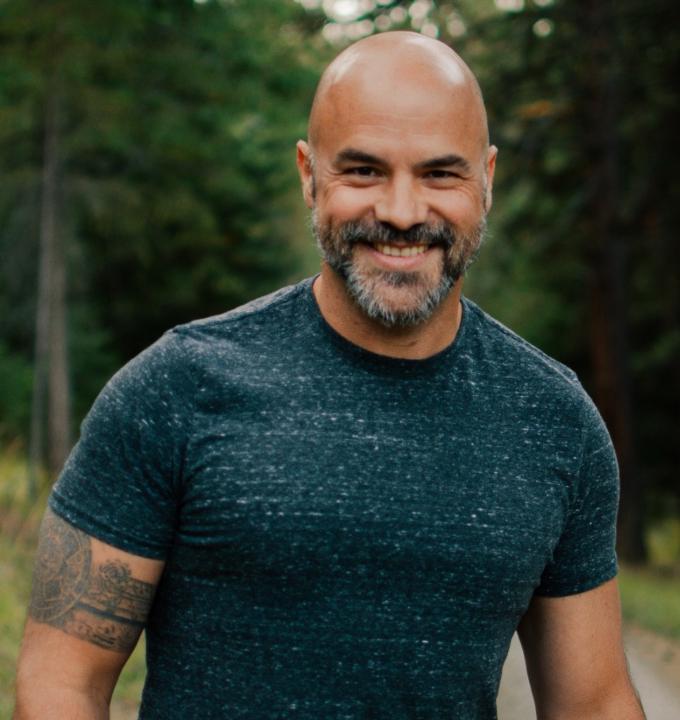
@cody-limbaugh-4398
20+ year Strength and Conditioning Coach turned Senior Fitness Specialist. I'm breaking the ties between aging and decrepitude.
Active 10h ago
Joined Apr 24, 2025
Powered by