Activity
Mon
Wed
Fri
Sun
Nov
Dec
Jan
Feb
Mar
Apr
May
Jun
Jul
Aug
Sep
Oct
What is this?
Less
More
Owned by Hansheng
A welcoming home and hub for artists, creatives, and curious minds to learn, create, share, and grow together.
Plan with your life, not against it. A flexible planning method built around your real capacity and life’s changing seasons. One year to the next~!
Shopify Growth Collective🥂
1.3k
5.0
Free
Cre8tiv Collective
74
Free
Grow With Evelyn
3.4k
5.0
$29/m
Crap Academy
174
Free
Creative AF Club
152
Free
Pitch Secrets A to Z Community
3.1k
Free
20 contributions to DIY Gardening
🔥
Sep 4 •
Are USDA Hardiness Zones Useless?
How many of you have seen planting calendars for USDA Hardiness Zones that tell you when to plant? Like, "𝘡𝘰𝘯𝘦 8 𝘨𝘢𝘳𝘥𝘦𝘯𝘦𝘳𝘴: 𝘱𝘭𝘢𝘯𝘵 𝘵𝘩𝘦𝘴𝘦 𝘤𝘳𝘰𝘱𝘴 𝘪𝘯 𝘚𝘦𝘱𝘵𝘦𝘮𝘣𝘦𝘳!" Or, "𝘏𝘦𝘳𝘦'𝘴 𝘸𝘩𝘢𝘵 𝘵𝘰 𝘱𝘭𝘢𝘯𝘵 𝘳𝘪𝘨𝘩𝘵 𝘯𝘰𝘸 𝘪𝘧 𝘺𝘰𝘶 𝘭𝘪𝘷𝘦 𝘪𝘯 𝘡𝘰𝘯𝘦 5." Well, I hate to break it to ya, but your USDA Hardiness Zone doesn't actually tell you much about your growing season or when you should plant things. In fact, people in the exact same zone can experience wildly different summer temperatures, rainfall, humidity, frost dates, and growing seasons. Just take a look at the USDA Hardiness Zone map I attached below. I put pins on the map for Oregon, Texas, and North Carolina. If we handed gardeners in all three locations the exact same planting calendar just because they're all in Zone 8... My spidey senses tell me at least one of them would have some less-than-ideal results. Agree? So if our USDA zone can't tell us 𝘄𝗵𝗲𝗻 𝘁𝗼 𝗽𝗹𝗮𝗻𝘁, what 𝘤𝘢𝘯 it tell us? It actually gives us one very valuable piece of information: 👉 𝗧𝗵𝗲 𝗮𝘃𝗲𝗿𝗮𝗴𝗲 𝗮𝗻𝗻𝘂𝗮𝗹 𝗲𝘅𝘁𝗿𝗲𝗺𝗲 𝗺𝗶𝗻𝗶𝗺𝘂𝗺 𝘄𝗶𝗻𝘁𝗲𝗿 𝘁𝗲𝗺𝗽𝗲𝗿𝗮𝘁𝘂𝗿𝗲 𝗳𝗼𝗿 𝘆𝗼𝘂𝗿 𝗮𝗿𝗲𝗮. This is especially useful when choosing perennial crops (plants that live for more than two years) because it helps you determine whether a plant can survive your winters and how much winter protection it may need. But as far as telling you when to plant your vegetable garden? It's basically useless 🤣 So now if you're thinking... "𝗪𝗲𝗹𝗹 𝘁𝗵𝗲𝗻 𝗵𝗼𝘄 𝘁𝗵𝗲 𝗵𝗲𝗰𝗸 𝗗𝗢 𝗜 𝗸𝗻𝗼𝘄 𝘄𝗵𝗮𝘁 𝘁𝗼 𝗽𝗹𝗮𝗻𝘁?!" I got you. To answer that question, we want to look at things like: - Your average first and last frost - Your average first and last hard freeze - Choosing crops based on their preferred growing season - How to read the "days to maturity" number on the back of the seed packet (and how to use it to your advantage). - Microclimates within your own garden - And season extenders that can help you keep growing longer I covered allll of this (and more) in the 𝗙𝗮𝗹𝗹 𝗚𝗮𝗿𝗱𝗲𝗻 𝗦𝘂𝗰𝗰𝗲𝘀𝘀 𝗪𝗼𝗿𝗸𝘀𝗵𝗼𝗽 I hosted last month. And if you missed it, the workshop replay + the 𝟵-𝗽𝗮𝗴𝗲 𝗰𝗼𝗺𝗽𝗮𝗻𝗶𝗼𝗻 𝘄𝗼𝗿𝗸𝗯𝗼𝗼𝗸 are both waiting for you inside the DIY Gardening Academy.
Poll
9 members have voted


🔥
3 likes • Sep 4
I always just follow the farmers almanac~ it’s never steered me wrong~
🔥
Jun 20 •
What have you harvested lately? 👀
What's been coming out of your garden? Veggies? Herbs? Flowers? Mostly weeds?? 🫣 Let's see some harvest photos!

🔥
2 likes • Jun 28
@Vanessa Lowe grandma was always veggies~ mom was always flowers~ and seriously anyone who’s doesn’t has never had fresh veggies
🔥
1 like • Aug 1
@Lisa Miller I like keeping tabs and seeing changes from what fertilizer vs amendments~
🔥
Jul 29 •
🌱 My Bed Prep Ritual For Healthy Soil
Every time I pull old plants out of a bed (or start a brand new one, even a pot), I follow the same simple routine before anything new goes in the ground. Here's exactly what I do and why. 𝗢𝗻𝗰𝗲 𝗮 𝘆𝗲𝗮𝗿, 𝗜 𝘁𝗼𝗽 𝗼𝗳𝗳 𝘄𝗶𝘁𝗵 𝗳𝗿𝗲𝘀𝗵 𝗰𝗼𝗺𝗽𝗼𝘀𝘁 I do this either in fall as my summer crops come out and cool-season crops go in, or in spring as cool-season crops come out and warm-season crops go in. But you can do this whenever it works best for you. 𝗖𝗼𝗺𝗽𝗼𝘀𝘁 𝗱𝗼𝗲𝘀 𝗮 𝗹𝗶𝘁𝘁𝗹𝗲 𝗯𝗶𝘁 𝗼𝗳 𝗲𝘃𝗲𝗿𝘆𝘁𝗵𝗶𝗻𝗴, 𝗶𝘁: Improves soil structure Helps sandy soil hold onto moisture Opens up drainage in heavy clay Adds organic matter back into the soil Feeds microbial life (the bacteria and fungi living in your soil) 𝗘𝘃𝗲𝗿𝘆 𝘁𝗶𝗺𝗲 𝗜 𝗽𝗹𝗮𝗻𝘁 𝘀𝗼𝗺𝗲𝘁𝗵𝗶𝗻𝗴 𝗻𝗲𝘄, 𝗜 𝗮𝗱𝗱 𝘁𝗵𝗲𝘀𝗲: 𝗪𝗼𝗿𝗺 𝗰𝗮𝘀𝘁𝗶𝗻𝗴𝘀 — It's gentle and powerful. It adds beneficial microbes, improves nutrient availability, and helps with soil structure so roots establish faster. 𝗔𝗹𝗹-𝗽𝘂𝗿𝗽𝗼𝘀𝗲 𝗴𝗿𝗮𝗻𝘂𝗹𝗮𝗿 𝗼𝗿𝗴𝗮𝗻𝗶𝗰 𝗳𝗲𝗿𝘁𝗶𝗹𝗶𝘇𝗲𝗿 — this contains a range of nutrients that release slowly as soil microbes and moisture break it down, usually over several weeks to a couple months. This feeds your plants steadily instead of giving them one big hit and fading out. 𝗠𝗼𝗹𝗮𝘀𝘀𝗲𝘀 — this one always surprises people! Molasses feeds soil microbes with carbs and sugar, which boosts activity. It also helps plants resist pests by raising Brix (a measure of sugar content in plant sap). Less-tasty leaves mean fewer aphids and caterpillars. 𝗛𝗼𝘄 𝗜 𝗽𝘂𝘁 𝗶𝘁 𝘁𝗼𝗴𝗲𝘁𝗵𝗲𝗿: sprinkle the worm castings, granular fertilizer, and molasses over the soil, mix it into the top couple of inches, then plant. Do you amend your soil before planting? If so, what's in your go-to blend? ....................... P.S. This is posted as a full module, which also includes recommended amounts + products, in 𝗣𝗵𝗮𝘀𝗲 𝟭 | 𝗣𝗿𝗲𝗽𝗮𝗿𝗲 in the Academy Classroom. Check it out here: https://www.skool.com/gardenacademy/about 🌱

🔥
5 likes • Jul 29
Always amend~ Spring: compost, earthworm castings, and some manure depending on what’s going where~ and I do a mix of plant tone for veggies~ I apply plant tone at least once a month in active seasons~ In the late fall, earthworm castings, organic matter~ and manure to top up the beds as needed~ I’ll also add powdered (and baked) eggshells to areas where I have heavy calcium feeders~
🔥
Jul 2 •
🌱 Which phase are you currently in?
And how are you feeling about it? - Confident and crushing it? - Wishing you had a little more direction? - Somewhere in-between?
Poll
46 members have voted

🔥
1 like • Jul 14
@Vanessa Lowe Thank You~!!! And please do~! ^_^
🔥
1 like • Jul 14
@Vanessa Lowe RIGHT?! And its a bit more special when you know the artist/ connection to the artists~ I love it when I'm told how a piece fit into someone's home~
🔥
Jul 12 •
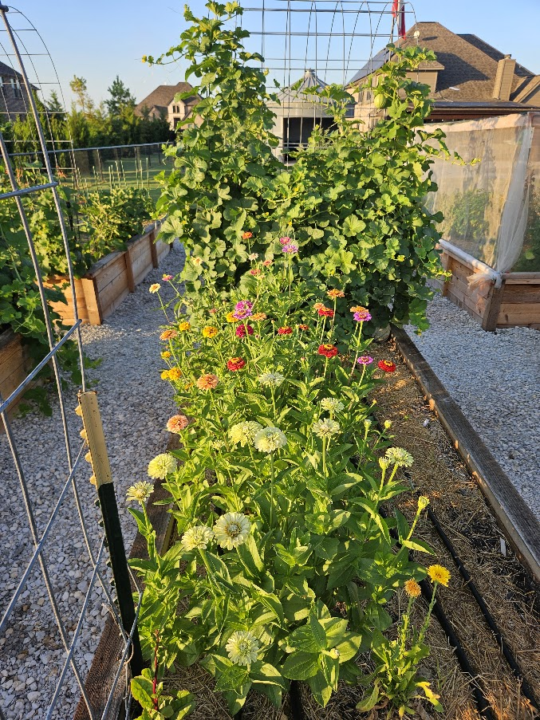
🌸 Want Your Garden to be a Pollinator Hotspot?
If you want more melons, squash, and cucumbers this year, the secret isn't just soil and sun. It's flowers. 🌻 Here's a good rule of thumb I use in my own garden: for every 3 vegetable plants, plant at least 1 flower. Some veggies rely on pollinators to produce fruit. But veggie blooms alone often aren't enough to catch their attention, especially early in the season before your vegetables even start flowering. Think of flowers as the billboard. Their bright colors and strong scent are basically advertising "food here!" to any pollinator flying by. Once they land in your garden for the flowers, they'll naturally visit your vegetable blooms too. 𝗗𝗶𝗳𝗳𝗲𝗿𝗲𝗻𝘁 𝗙𝗹𝗼𝘄𝗲𝗿𝘀, 𝗗𝗶𝗳𝗳𝗲𝗿𝗲𝗻𝘁 𝗩𝗶𝘀𝗶𝘁𝗼𝗿𝘀 Not all pollinators are drawn to the same things, so a mix of flowers brings a mix of helpers: 🐝 Bees love purple, blue, and yellow flowers like lavender, bee balm, hyssop, and sunflowers 🦋 Butterflies go for clustered or flat, open blooms in red, orange, and pink, like zinnias, lantana, and coneflowers, because they give them a place to land 🐦 Hummingbirds are drawn to tubular, red or orange flowers like salvia, California fuchsia, and trumpet vine 🌙 Moths prefer pale or white flowers that open in the evening, like moonflower or evening primrose, since they're active at night Planting a variety means you're rolling out the welcome mat for more than just bees. 𝗗𝗼𝗻'𝘁 𝗙𝗼𝗿𝗴𝗲𝘁 𝘁𝗵𝗲 𝗪𝗮𝘁𝗲𝗿 Pollinators need water just like we do, and having a source right in your garden makes a huge difference. A bird bath or small fountain works great. If there's no water nearby, pollinators have to leave your garden to find some elsewhere, which means less time pollinating your plants. But if you've got water right there, they can take a quick drink, rest for a second, and get right back to work. However, bees and other small pollinators can actually drown in open water. So, toss a few flat stones, rocks, marbles, or corks into the bird bath or fountain so they have something to land on while they drink. A shallow dish with pebbles works just as well if you don't have a bird bath.
🔥
7 likes • Jul 12
Already on it~ 🥰
🔥
5 likes • Jul 12
@Megan Webb the tiger lilies are for harvesting and eating~ and I’m a huge fan of permaculture ~ besides who doesn’t love seeing birds, butterflies, humming birds, and dragon flies 🥰
1-10 of 20

🔥
@leehanshengstudios
Artist • Educator • Ecosystem Builder 🇹🇼
Cultivating creativity, Community, and Sustainable Living through Art, Food, Plants, Education, and Design
Active 2h ago
Joined Apr 5, 2026
ENTJ
Taipei, Taiwan
Powered by