Activity
Mon
Wed
Fri
Sun
Oct
Nov
Dec
Jan
Feb
Mar
Apr
May
Jun
Jul
Aug
Sep
What is this?
Less
More
The Potted Garden Society
3.4k members • Free
15 contributions to The Potted Garden Society

Jul 20 •
🪲 July Garden Pest Series – Day 6 Meet the Japanese Beetle: The Metallic Muncher That Can Skeletonize Your Plants
You step outside and notice your bean leaves look like they've been turned into lace. Your roses have ragged petals. Your basil suddenly has holes everywhere. Then you spot them—shiny metallic green beetles with copper-colored wings, happily feasting on your plants. Meet the Japanese Beetle, one of the most recognizable (and frustrating) garden pests of summer. The good news? They're easy to identify. The bad news? They rarely travel alone. 𝐖𝐡𝐚𝐭 𝐀𝐫𝐞 𝐉𝐚𝐩𝐚𝐧𝐞𝐬𝐞 𝐁𝐞𝐞𝐭𝐥𝐞𝐬? Japanese beetles are about ½ inch long with a brilliant metallic green body and coppery-bronze wing covers. Along each side of their abdomen are small tufts of white hairs, which help distinguish them from other beetles. Adults emerge from the soil in early summer and immediately begin feeding. They often gather in groups, and once a few beetles find a favorite plant, many more usually follow. 𝐖𝐡𝐚𝐭 𝐃𝐨 𝐓𝐡𝐞𝐲 𝐋𝐢𝐤𝐞 𝐭𝐨 𝐄𝐚𝐭? Japanese beetles have a huge appetite and feed on more than 300 kinds of plants. Some of their favorites include: 🌹 Roses 🍅 Tomatoes 🫘 Green beans 🌿 Basil 🍇 Grapes 🍓 Strawberries 🍎 Fruit trees 🌺 Hibiscus While they can feed on many ornamentals, vegetable gardeners often notice them first on beans, basil, and roses. 𝐇𝐨𝐰 𝐭𝐨 𝐒𝐩𝐨𝐭 𝐓𝐡𝐞𝐦 Look for: ✔ Metallic green beetles with bronze wings ✔ Leaves that look "skeletonized," with only the veins remaining ✔ Ragged flowers and petals ✔ Groups of beetles feeding together ✔ Chewed fruit and foliage Unlike many pests that hide, Japanese beetles feed right out in the open. 𝐖𝐡𝐲 𝐓𝐡𝐞𝐲'𝐫𝐞 𝐚 𝐏𝐫𝐨𝐛𝐥𝐞𝐦 A single beetle isn't usually a major concern. But dozens feeding together can quickly: • Skeletonize leaves • Damage flowers • Reduce photosynthesis • Stress young plants • Reduce vegetable and fruit production Their feeding also attracts more beetles, making early action especially important. 𝐇𝐨𝐰 𝐭𝐨 𝐆𝐞𝐭 𝐑𝐢𝐝 𝐨𝐟 𝐓𝐡𝐞𝐦 The sooner you begin controlling them, the better. ✔ Hand-pick beetles early in the morning when they're sluggish. Be careful not to crush the beetles when removing them, as this can release pheromones and attract bigger populations to your yard.

1 like • Jul 24
They have committed murder to my roses and hibiscus. I have pictures, but can’t find them now of my roses with them on my blooms. This is a hibiscus with the leaves destroyed. .
1 like • Jul 24
This is one of my roses with the Japanese Beetles. This other one is without.


1 like • Jul 16
I love your garden.

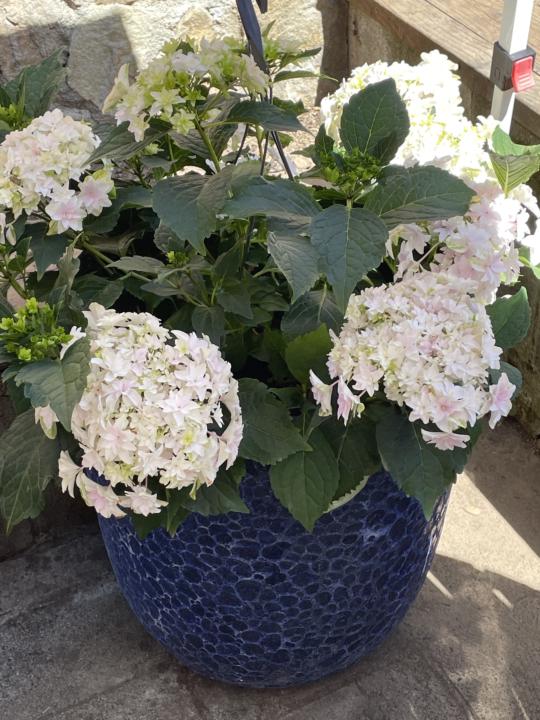
2 likes • Jun 25
Two of my hydrangeas
0 likes • Jun 26
@Larry Baracco thank you
Jun 25 •
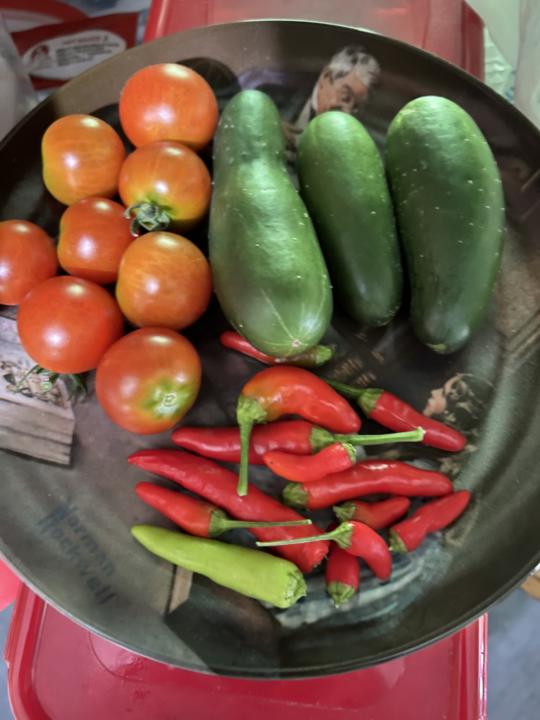
My mini vegetables
Some of my harvested vegetables. Mini cucumbers, mini tomatoes and cayenne peppers.
2 likes • Jun 26
@Larry Baracco yes, they are
2 likes • Jun 26
@Donna Scarborough these are the ones I posted earlier.
Jun 12 •
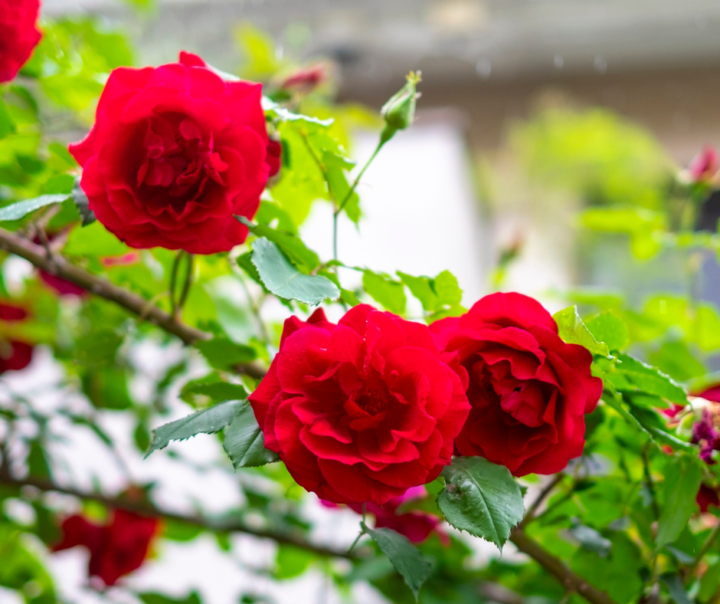
National Red Rose Day
Today is National Red Rose Day! I know a number of you love to grow roses. Whether they are red, white, yellow, or pink - roses are always stunning. Share some pics of your roses with us to celebrate - even if they aren't red.
2 likes • Jun 25
Some of my roses
1-10 of 15

@mary-bremmer-8747
Retired, loves to grow roses, hydrangeas or any flower that blooms. I don’t know what I’m doing; I plant water and feed and hope for the best.
Active 43d ago
Joined Apr 5, 2026
Powered by