Activity
Mon
Wed
Fri
Sun
Nov
Dec
Jan
Feb
Mar
Apr
May
Jun
Jul
Aug
Sep
Oct
What is this?
Less
More
Owned by Phil
Build strength, improve conditioning, and develop the discipline to perform in training and life.
453 contributions to Built To Perform: Daru Strong

9m •
Coaches shoutout
Big shoutout to @John McGuire for shadowing me and my team for a week to learn and grow. Glad to see the time was well spent and paying off already! 🦾🙏🏼

Mar 18 •
Body Armor (Full Breakdown)
Click link to get access to my full bodyweight program! https://drive.google.com/file/d/1Ccqe2n_09i8Gkk2H5sqHoHZbLttAXthA/view?usp=drivesdk
0 likes • 10h
@Min hsuan Yeh
Jun 30 •
12 Week BJJ S&C Program
Here's another version of Ground Control - full 12 week Bjj s&c program
0 likes • 10h
@Min hsuan Yeh
Mar 22 •
My next 8 week program
Here's my next program I'm running for the 8 weeks - Full Triphasic block - Strongman HIIT - Muay Thai / BJJ / Tac Ops Training (Wed/Sat) - Speed & Power
0 likes • 10h
@Min hsuan Yeh
1-10 of 453
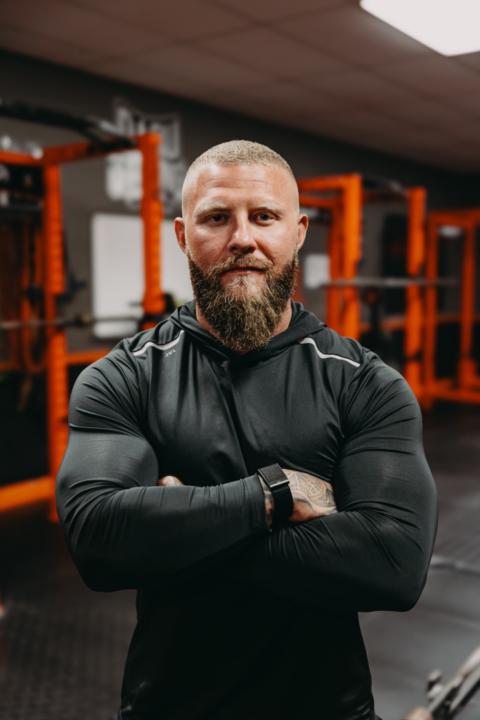
@phil-daru-1294
Global thought leader in Human Performance, Leadership & Resilience.
Active 9m ago
Joined Oct 13, 2025
Powered by