Activity
Mon
Wed
Fri
Sun
Oct
Nov
Dec
Jan
Feb
Mar
Apr
May
Jun
Jul
Aug
Sep
What is this?
Less
More
Owned by Ralphael
Educating, equipping, and empowering prophets to hear God clearly, walk in maturity, and serve with Kingdom authority.
Leadership On Demand
142 members • Free
Apostolic Shift Prophetic Push
135 members • Free
Skoolers
159.9k members • Free
21 contributions to The Prophets University

Jul 7 •
Prophetic Dominion Prophetic Dominion: Learning to Govern, Not Just Gather Information
One of the greatest misunderstandings surrounding the prophetic is believing it exists only to reveal hidden things. While revelation is important, revelation without wisdom, maturity, and obedience produces very little transformation. Prophetic dominion is the ability to receive Heaven's intelligence and steward it with Kingdom responsibility. It is not about becoming more mystical. It is about becoming more mature. God does not reveal things to entertain us. He reveals them to prepare us, position us, and partner with us in accomplishing His will in the earth. Ask yourself: • What has God been consistently saying to me? • Have I acted on the last instruction He gave me? • Am I pursuing encounters, or am I pursuing obedience? Remember, authority grows where faithfulness is practiced. The prophetic is not measured by how much you know. It is measured by how faithfully you steward what God has entrusted to you. Discussion Question: What is one prophetic instruction or biblical principle that changed the direction of your life because you chose to obey it? I look forward to reading your insights. Let's sharpen one another as we continue growing in wisdom, discernment, and prophetic maturity.

May 13 •
Prophetic Pioneers
Prophetic pioneers often build in obscurity long before they are acknowledged publicly. Noah built an ark while there was no visible evidence of rain. Abraham walked toward a promise he could not fully explain. David was anointed in a private gathering, then sent back to the field before he was ever brought to the throne. John the Baptist emerged from the wilderness carrying a word powerful enough to prepare the way for Christ, yet he was not shaped in the systems that people admired. Scripture repeatedly reveals that God develops pioneers in hidden places because obscurity protects formation. Recognition can validate a person prematurely before character, endurance, wisdom, and spiritual maturity have been fully established. Hebrews 11 reminds us that many who carried authentic faith were not celebrated in their generation, yet heaven bore witness of them. Many people desire visibility, but prophetic pioneers are usually burdened with responsibility before they are entrusted with influence. They carry blueprints before platforms. They see movement before manifestation. They often endure misunderstanding because they are building according to conviction rather than applause. Nehemiah rebuilt while facing criticism. Jeremiah carried a word that isolated him. Even Jesus spent thirty years developing before three years of public ministry. There is a dangerous assumption in this generation that visibility equals validity, but Kingdom history teaches otherwise. God frequently hides pioneers while He develops their voice, strengthens their inner life, refines their motives, and teaches them stewardship. The pioneer who survives is not the one addicted to recognition, but the one committed to obedience, alignment, and execution regardless of who understands the assignment.
Apr 23 •
Mantled for Movement: Governing the Gates
To be mantled for movement is to be positioned where decisions are shaped, threats are discerned, and outcomes are influenced before they manifest. In Scripture, the gate represents a place of authority, intelligence, and spiritual activity. It is where matters are settled, and where watchmen remain alert. Mordecai understood this positioning and embodied prophetic intercession through vigilance at the gate. “In those days, while Mordecai sat in the king’s gate, two of the king’s chamberlains… were wroth, and sought to lay hand on the king Ahasuerus. And the thing was known to Mordecai…” (Esther 2:21–22, KJV). Mordecai was not passive in his placement. He discerned a hidden plot and intervened by revealing it to Esther, who then brought it before the king. What was uncovered in secrecy was overturned through positioning and awareness. This is the essence of prophetic intercession: seeing what others cannot see and responding before destruction takes root. To govern the gates is to carry the burden of awareness. It requires sensitivity to the Spirit, discipline to remain watchful, and courage to act when insight is given. Gates are not only physical locations but spiritual access points in families, organizations, and regions. When these gates are unguarded, infiltration occurs. When they are governed, preservation and advancement follow. “I have set watchmen upon thy walls, O Jerusalem, which shall never hold their peace day nor night…” (Isaiah 62:6, KJV). The watchman’s role is not reactionary but preventative. Mordecai’s posture teaches that prophetic people must take their seat at the gate with intention. From that place, they discern, declare, and disrupt what seeks to rise against God’s purposes. You are not called to observe movement. You are mantled to govern it.
1-10 of 21
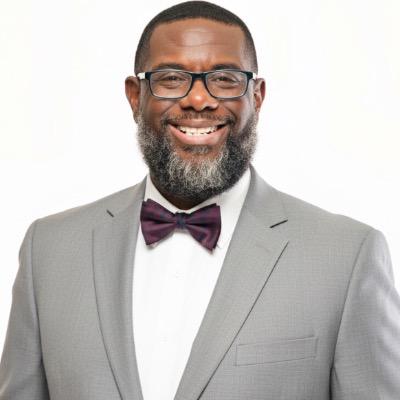
@ralphael-robinson-6053
Founder of The Prophetic Professor, raising mature prophetic voices through Samuel School of the Prophets, a Kingdom-focused training hub.
Active 7h ago
Joined Dec 3, 2025
Powered by