Activity
Mon
Wed
Fri
Sun
Oct
Nov
Dec
Jan
Feb
Mar
Apr
May
Jun
Jul
Aug
What is this?
Less
More
The Potted Garden Society
3.3k members • Free
4 contributions to The Potted Garden Society

May '25 •
Celebrate and Learn About Composting Day: Tips for Composting in Small Spaces
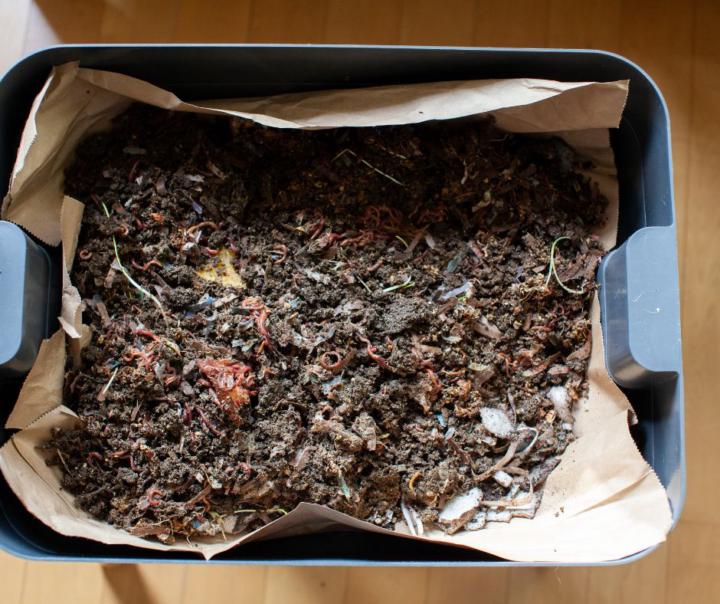
Learn About Composting Day (May 29th) is the perfect time to explore how even container gardeners with small yards—or no yards at all—can create nutrient-rich compost to feed their plants naturally. Composting isn’t just for large gardens; it’s totally doable in tight spaces with the right approach! 𝐖𝐡𝐲 𝐂𝐨𝐦𝐩𝐨𝐬𝐭? Compost is a powerful soil amendment made from decomposed organic matter. It improves soil texture, adds essential nutrients, and boosts beneficial microbes—all of which help your container plants thrive. 𝐂𝐨𝐦𝐩𝐨𝐬𝐭𝐢𝐧𝐠 𝐢𝐧 𝐒𝐦𝐚𝐥𝐥 𝐒𝐩𝐚𝐜𝐞𝐬: 𝐘𝐨𝐮𝐫 𝐎𝐩𝐭𝐢𝐨𝐧𝐬 Here are a few composting methods that work well for container gardeners: 𝟏. 𝐂𝐨𝐮𝐧𝐭𝐞𝐫𝐭𝐨𝐩 𝐂𝐨𝐦𝐩𝐨𝐬𝐭 𝐁𝐢𝐧𝐬 Great for collecting food scraps like veggie peels, coffee grounds, and eggshells. These small bins don’t compost on their own but serve as a tidy way to collect materials before transferring to your main system. 𝟐. 𝐖𝐨𝐫𝐦 𝐁𝐢𝐧𝐬 (𝐕𝐞𝐫𝐦𝐢𝐜𝐨𝐦𝐩𝐨𝐬𝐭𝐢𝐧𝐠) Perfect for apartments or indoor use, worm bins house red wigglers that break down kitchen scraps into worm castings—an incredibly rich fertilizer. 𝐁𝐞𝐬𝐭 𝐟𝐨𝐫: Indoor or sheltered patios, odor-free and compact 𝟑. 𝐓𝐮𝐦𝐛𝐥𝐞𝐫 𝐂𝐨𝐦𝐩𝐨𝐬𝐭𝐞𝐫𝐬 These closed compost bins are ideal for patios or small yards. They’re easy to turn, pest-resistant, and speed up the composting process. 𝐁𝐞𝐬𝐭 𝐟𝐨𝐫:Small outdoor spaces with room for a barrel-style composter 𝟒. 𝐁𝐨𝐤𝐚𝐬𝐡𝐢 𝐁𝐮𝐜𝐤𝐞𝐭𝐬 This fermentation method breaks down food waste anaerobically using special inoculated bran. It’s fast, odor-controlled, and great for urban gardeners. 𝐁𝐞𝐬𝐭 𝐟𝐨𝐫: Indoors, garages, or covered porches 𝐖𝐡𝐚𝐭 𝐘𝐨𝐮 𝐂𝐚𝐧 𝐂𝐨𝐦𝐩𝐨𝐬𝐭 * Fruit and veggie scraps * Coffee grounds and filters * Tea bags (without staples) * Crushed eggshells * Shredded newspaper or cardboard (for carbon) * Plant trimmings 𝐖𝐡𝐚𝐭 𝐭𝐨 𝐀𝐯𝐨𝐢𝐝 * Meat, dairy, and oily foods (can attract pests) * Diseased plant material * Glossy or colored paper 𝐓𝐢𝐩𝐬 𝐟𝐨𝐫 𝐒𝐮𝐜𝐜𝐞𝐬𝐬 * 𝐁𝐚𝐥𝐚𝐧𝐜𝐞 𝐠𝐫𝐞𝐞𝐧𝐬 𝐚𝐧𝐝 𝐛𝐫𝐨𝐰𝐧𝐬: Mix nitrogen-rich “green” materials (like kitchen scraps) with carbon-rich “browns” (like shredded paper).

1 like • May '25
I have been composting for many years.
May '25 •
Holiday Weekend
We have a three day long weekend! 🙂 What gardening fun are you planning? Around here we are expecting rain for the latter 2 of the 3 days, so tomorrow will be a busy one. Plan on getting some more summer crops seeded, pot up the new lavender I just picked up, harvest some incredible strawberries 🍓and probably clean up a few more containers we've yet to plant. Share your holiday weekend garden plans! Would love to see what everyone is working on, what you are growing this season and how things are going.
1 like • May '25
I just fertilized all of my fruit trees yesterday and watered them in real good. So this weekend is all about R&R for me. My friend will come over to my house and help me set up my new tv. Then more R&R.
0 likes • May '25
Yes I plan to enjoy it, I am wishing you and your family a good Memorial Day weekend.
2 likes • May '25
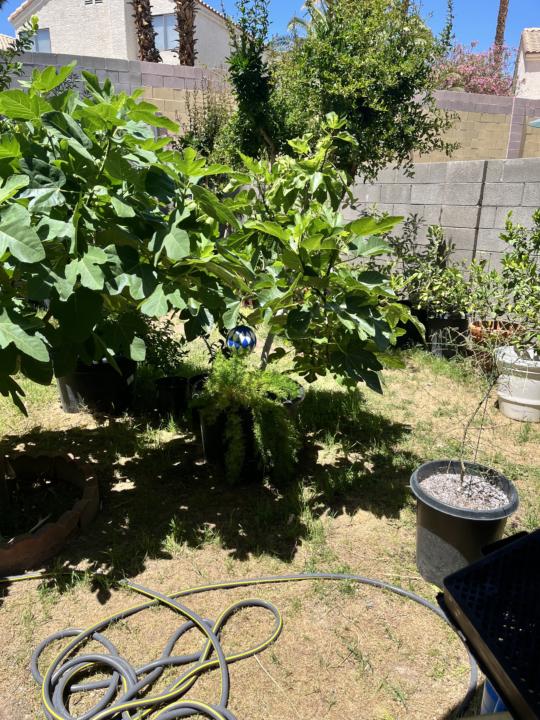
I have 4 fig trees, 5 apple trees, 2 cherry trees, 2 pear trees, 1 almond tree, 1 grapefruit tree, 2 Buddha’s hand citrons, 1 nectarine tree, 1 peach tree and about 12 assorted Orange, Lemon and Lime trees.
1 like • May '25
Some are in the ground and some are in pots.
Mar '25 •
OUR VISION 🚀
[IMPORTANT READ] Wow! A huge thank you to each of you who joined The Potted Garden Society. This isn’t just a gardening group — it’s our green corner of the internet. Together, our mission is simple: 👉 Build a vibrant community of 10,000+ passionate plant lovers — from curious beginners to backyard legends — who are here to share, learn, and grow 🌼 Think of Skool as your gardening clubhouse. A space where tips bloom, ideas grow roots, and plants (and people!) thrive together. Here’s what we’ll dig into as a group: 🌱 Seasonal planting tips, tricks & troubleshooting 🌼 Celebrating plant wins (with proud pics!) 🐛 Solving pest & soil challenges 🍅 Learning how to grow food at home 🌿 Swapping advice on tools, composting & containers Our FIRST main focus as a community: 🔥 Help each other grow more confidently each season 💬 Make daily conversations about real plant wins & woes 🌍 Share eco-friendly ways to garden & give back to the earth A Few Quick Things: 1️⃣ This space is for plant newbies and seasoned growers 🌻 2️⃣ Say hello below 👋 Tell us what you grow, your zone or location, and a pic of your current favorite plant! Let’s grow something beautiful — together. Let’s grow The Potted Garden Society! 💚 – Donna
5 likes • May '25
I also have snake plant cuttings growing now and cuttings from a Kalanchoe plant I have from California.
5 likes • May '25
Use a good mulch mixed with your native soil. And when I plant any new tree I also put in plenty of worm poop. Here in Las Vegas i get Worm Gold Plus at my local nail. It’s worm poop, kelp and rock dust mixed together. If it is going into a pot, fill with a good potting mix that drains well. Then place plenty of worm poop on top . Place your fig tree on top of the worm poop, then back fill your fig. I also use Down to Earth organic fertilizer for all of my fruit trees and citrus. Once on Valentines Day, then on Memorial Day and last on Labor Day. Well that’s enough to get you started, I also use some other liquid fertilizer once a month.
1-4 of 4
@roger-boehm-2966
I have been gathering since I was a little boy and I am still gardening as a older man.
Active 462d ago
Joined May 18, 2025
Powered by