Activity
Mon
Wed
Fri
Sun
Oct
Nov
Dec
Jan
Feb
Mar
Apr
May
Jun
Jul
Aug
What is this?
Less
More
THE Skool Library
43 members • Free
9D Breathwork Community
47.2k members • Free
Affiliate Course Hub
36 members • Free
The Potted Garden Society
3.3k members • Free
Level Up Journal Club
1.1k members • Free
4 contributions to The Potted Garden Society

15d •
🍂 Second Spring – Day 13 Cilantro: Fresh & Delicious...or Does It Taste Like SOAP? 🌿🧼😂
It's time to kick off the 𝐇𝐄𝐑𝐁 𝐩𝐨𝐫𝐭𝐢𝐨𝐧 of our Second Spring series! And we're starting with an herb that can divide a dinner table faster than almost anything we've grown so far. 🌿 𝐂𝐈𝐋𝐀𝐍𝐓𝐑𝐎. For some people: 😍 Fresh! 🍋 Citrusy! 🌮 Absolutely essential on tacos! For others: 🧼 "𝐖𝐇𝐘 𝐃𝐈𝐃 𝐒𝐎𝐌𝐄𝐎𝐍𝐄 𝐏𝐔𝐓 𝐒𝐎𝐀𝐏 𝐎𝐍 𝐌𝐘 𝐅𝐎𝐎𝐃?!" And here's the really interesting part... 𝐓𝐡𝐞𝐫𝐞 𝐦𝐚𝐲 𝐚𝐜𝐭𝐮𝐚𝐥𝐥𝐲 𝐛𝐞 𝐚 𝐠𝐞𝐧𝐞𝐭𝐢𝐜 𝐫𝐞𝐚𝐬𝐨𝐧 𝐟𝐨𝐫 𝐭𝐡𝐚𝐭. 🧬 𝗪𝗮𝗶𝘁...𝗖𝗶𝗹𝗮𝗻𝘁𝗿𝗼 𝗥𝗲𝗮𝗹𝗹𝘆 𝗧𝗮𝘀𝘁𝗲𝘀 𝗟𝗶𝗸𝗲 𝗦𝗼𝗮𝗽 𝘁𝗼 𝗦𝗼𝗺𝗲 𝗣𝗲𝗼𝗽𝗹𝗲? YES! Cilantro contains natural aroma compounds called aldehydes. Some of the same types of compounds are also associated with the scents we perceive in soaps and other products. Research suggests that genetics can influence how strongly we detect certain cilantro aromas. So while one person bites into cilantro and tastes something bright, fresh, and citrusy... Someone sitting beside them may genuinely experience something very different. In other words: If you've spent your entire life wondering why everyone keeps ruining perfectly good tacos with something that tastes like dish soap... Your taste buds may have an explanation. 😂 🌿 𝗕𝘂𝘁 𝗖𝗶𝗹𝗮𝗻𝘁𝗿𝗼 𝗛𝗮𝘀 𝗔𝗻𝗼𝘁𝗵𝗲𝗿 𝗥𝗲𝗽𝘂𝘁𝗮𝘁𝗶𝗼𝗻... Gardeners often tell me: "I planted cilantro and it was doing GREAT..." Then approximately five minutes later: 🌿 ➡️ 🌸 ➡️ 𝐒𝐄𝐄𝐃𝐒. Okay, maybe not five minutes. But sometimes it certainly feels that way. 😂 That's because cilantro really doesn't appreciate hot weather. When temperatures climb, cilantro quickly begins producing a flower stalk. That's called bolting. Once that happens, leaf production declines and the flavor can change. Which is why... 🍂 𝐅𝐀𝐋𝐋 𝐈𝐒 𝐂𝐈𝐋𝐀𝐍𝐓𝐑𝐎'𝐒 𝐂𝐎𝐌𝐄𝐁𝐀𝐂𝐊 𝐒𝐄𝐀𝐒𝐎𝐍! 🌡️ 𝐂𝐢𝐥𝐚𝐧𝐭𝐫𝐨 𝐖𝐚𝐧𝐭𝐬 𝐖𝐡𝐚𝐭 𝐒𝐮𝐦𝐦𝐞𝐫 𝐃𝐨𝐞𝐬𝐧'𝐭 𝐆𝐢𝐯𝐞 𝐈𝐭 Cool weather. As the intense heat of summer fades, cilantro becomes much easier to grow. Cooler temperatures help slow bolting and give us a longer window to harvest those flavorful leaves. That's why gardeners who struggled with cilantro in June or July may have a completely different experience growing it during their Second Spring.

3 likes • 15d
Love cilantro. Now I know why I haven't been able to grow it here. In Ohio I did better with it but seasons are so much hotter in the south. Now I need to figure out if I can still try n plant some for this season or not down here.
Jul 17 •
🐛 July Garden Pest Series – Day 4 Meet the Tomato Hornworm: The Giant Caterpillar That Can Strip a Tomato Plant Overnight
One evening your tomato plant is lush, green, and loaded with fruit. The next morning? Large sections of leaves have disappeared, stems are bare, and you can't figure out what happened. The culprit may still be there... Blending in almost perfectly with the leaves is one of the largest—and hungriest—garden pests you'll ever encounter: the Tomato Hornworm. The good news? Once you know what to look for, they're surprisingly easy to find. 𝐖𝐡𝐚𝐭 𝐈𝐬 𝐚 𝐓𝐨𝐦𝐚𝐭𝐨 𝐇𝐨𝐫𝐧𝐰𝐨𝐫𝐦? Tomato hornworms are the larval stage of a large moth called the sphinx or hawk moth. These bright green caterpillars can grow up to 4 inches long, making them one of the biggest caterpillars found in vegetable gardens. Despite their size, their green color provides incredible camouflage. The black "horn" on their tail may look intimidating, but it's harmless to people and pets. 𝐖𝐡𝐚𝐭 𝐃𝐨 𝐓𝐡𝐞𝐲 𝐋𝐢𝐤𝐞 𝐭𝐨 𝐄𝐚𝐭? Hornworms are especially fond of plants in the nightshade family, including: 🍅 Tomatoes 🌶️ Peppers 🍆 Eggplants 🥔 Potatoes While tomatoes are their favorite meal, they'll happily munch on several related plants if given the chance. 𝐇𝐨𝐰 𝐭𝐨 𝐒𝐩𝐨𝐭 𝐓𝐡𝐞𝐦 Look for: ✔ Large sections of missing leaves ✔ Bare stems with little foliage ✔ Dark green or black droppings (frass) on leaves or around the base of the plant ✔ Large green caterpillars blending into stems ✔ Chewed green tomatoes If you see piles of droppings but can't find the caterpillar, look directly above them—they're often hiding in plain sight. 𝐖𝐡𝐲 𝐓𝐡𝐞𝐲'𝐫𝐞 𝐚 𝐏𝐫𝐨𝐛𝐥𝐞𝐦 One hornworm can eat an astonishing amount of foliage in just a few days. Several hornworms feeding together can: • Strip large branches • Slow fruit production • Damage developing tomatoes • Stress otherwise healthy plants Young tomato plants are especially vulnerable. 𝐇𝐨𝐰 𝐭𝐨 𝐆𝐞𝐭 𝐑𝐢𝐝 𝐨𝐟 𝐓𝐡𝐞𝐦 Fortunately, hornworms are one of the easier pests to control. ✔ Hand-pick caterpillars and remove them from your plants. ✔ Drop them into a bucket of soapy water. ✔ Inspect plants every evening or early morning when they're easier to spot.
4 likes • Jul 18
Have these now I believe. Get them every year but this year they are hiding so well I can't find it and it's devoured a whole plant full of leaves already. I think I need a fresh set of young eyes to look...lol
Jun 7 •
June Container Gardening Series-Herbs That Thrive When Summer Heats Up
If your vegetable containers are already full, don't worry. There's still plenty of room in your garden for herbs. In fact, many herbs absolutely love the warm temperatures of June and often become more productive as summer settles in. Whether you have a sunny patio, a deck filled with containers, or just a few pots near the kitchen door, herbs are one of the easiest and most rewarding plants you can grow. The best part? A single herb plant can provide months of harvests while taking up very little space. Let's look at some summer-loving favorites. 🌱 𝐁𝐚𝐬𝐢𝐥: 𝐓𝐡𝐞 𝐊𝐢𝐧𝐠 𝐨𝐟 𝐒𝐮𝐦𝐦𝐞𝐫 𝐇𝐞𝐫𝐛𝐬 𝐂𝐨𝐧𝐭𝐚𝐢𝐧𝐞𝐫 𝐒𝐢𝐳𝐞: 1–3 gallons 𝐒𝐮𝐧𝐥𝐢𝐠𝐡𝐭: Full sun 𝐖𝐡𝐲 𝐘𝐨𝐮'𝐥𝐥 𝐋𝐨𝐯𝐞 𝐈𝐭: Basil thrives in warm weather and grows quickly once temperatures stay consistently warm. Perfect for: * Salads * Pasta dishes * Homemade pesto * Pizza toppings 𝐏𝐫𝐨 𝐓𝐢𝐩 Pinch off the growing tips regularly to encourage bushier growth. 𝐂𝐨𝐦𝐦𝐨𝐧 𝐌𝐢𝐬𝐭𝐚𝐤𝐞 Letting flowers form too early. Once basil starts flowering, leaf production slows down. Pinch off flower buds as soon as they appear. 🌿 𝐎𝐫𝐞𝐠𝐚𝐧𝐨: 𝐏𝐥𝐚𝐧𝐭 𝐈𝐭 𝐎𝐧𝐜𝐞, 𝐇𝐚𝐫𝐯𝐞𝐬𝐭 𝐀𝐥𝐥 𝐒𝐮𝐦𝐦𝐞𝐫 𝐂𝐨𝐧𝐭𝐚𝐢𝐧𝐞𝐫 𝐒𝐢𝐳𝐞:: 1–2 gallons 𝐒𝐮𝐧𝐥𝐢𝐠𝐡𝐭t: Full sun 𝐖𝐡𝐲 𝐘𝐨𝐮'𝐥𝐥 𝐋𝐨𝐯𝐞 𝐈𝐭: Oregano is one of the toughest herbs you can grow. It tolerates heat, occasional dry spells, and keeps producing throughout the season. Perfect for: * Italian dishes * Pizza sauce * Roasted vegetables 𝐏𝐫𝐨 𝐓𝐢𝐩 Harvest often to keep plants compact and productive. 🌱 𝐓𝐡𝐲𝐦𝐞: 𝐒𝐦𝐚𝐥𝐥 𝐏𝐥𝐚𝐧𝐭, 𝐁𝐢𝐠 𝐅𝐥𝐚𝐯𝐨𝐫 𝐂𝐨𝐧𝐭𝐚𝐢𝐧𝐞𝐫 𝐒𝐢𝐳𝐞:: 1 gallon or larger 𝐒𝐮𝐧𝐥𝐢𝐠𝐡𝐭: Full sun 𝐖𝐡𝐲 𝐘𝐨𝐮'𝐥𝐥 𝐋𝐨𝐯𝐞 𝐈𝐭: Thyme is incredibly low-maintenance and doesn't mind summer heat. Its compact growth habit makes it perfect for gardeners with limited space. Perfect for: * Chicken dishes * Soups * Roasted potatoes 𝐂𝐨𝐦𝐦𝐨𝐧 𝐌𝐢𝐬𝐭𝐚𝐤𝐞 Overwatering. Thyme prefers slightly drier conditions than many other herbs. 🌿 𝐑𝐨𝐬𝐞𝐦𝐚𝐫𝐲: 𝐓𝐡𝐞 𝐇𝐞𝐚𝐭-𝐋𝐨𝐯𝐢𝐧𝐠 𝐖𝐨𝐫𝐤𝐡𝐨𝐫𝐬𝐞 𝐂𝐨𝐧𝐭𝐚𝐢𝐧𝐞𝐫 𝐒𝐢𝐳𝐞:: 3–5 gallons 𝐒𝐮𝐧𝐥𝐢𝐠𝐡𝐭: Full sun 𝐖𝐡𝐲 𝐘𝐨𝐮'𝐥𝐥 𝐋𝐨𝐯𝐞 𝐈𝐭: Rosemary practically thrives on sunshine and warm temperatures.
4 likes • Jun 9
Been growing mine in pots for awhile, they always do really well. I think because I have more control over things like dirt, how much sun all that.
Jan 18 •
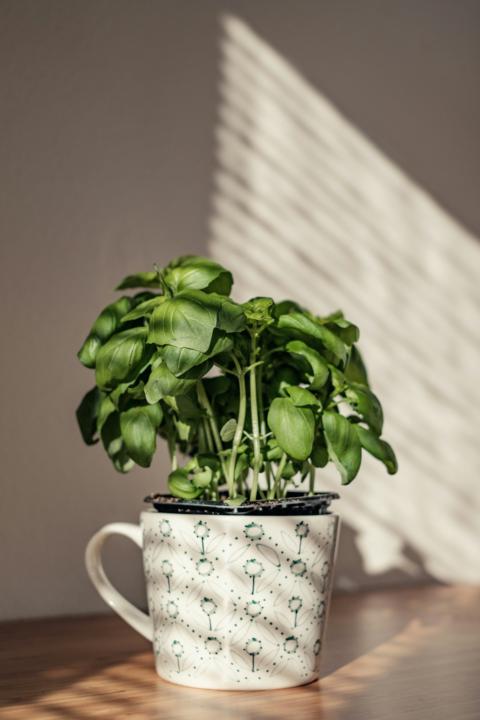
Rule #1: Basil Needs More Light Than You Think
Basil is a sun-lover. Indoors in winter, it often doesn’t get enough light even in a bright window. 𝐖𝐡𝐚𝐭 𝐛𝐚𝐬𝐢𝐥 𝐰𝐚𝐧𝐭𝐬: * + hours of strong light (more is better) * Ideally a south-facing window * Or a small grow light if winter light is weak 𝐒𝐢𝐠𝐧𝐬 𝐢𝐭’𝐬 𝐧𝐨𝐭 𝐠𝐞𝐭𝐭𝐢𝐧𝐠 𝐞𝐧𝐨𝐮𝐠𝐡 𝐥𝐢𝐠𝐡𝐭: * long stems with big gaps between leaves (“leggy”) * leaves stay small * plant leans hard toward the window 𝐄𝐚𝐬𝐲 𝐟𝐢𝐱: Move it to the brightest spot you have and rotate it every few days. If it still stretches, a basic grow light turns basil from “meh” to “wow.” 𝐑𝐮𝐥𝐞 #𝟐: 𝐃𝐨𝐧’𝐭 𝐋𝐞𝐭 𝐭𝐡𝐞 𝐑𝐨𝐨𝐭𝐬 𝐒𝐢𝐭 𝐢𝐧 𝐒𝐨𝐠𝐠𝐲 𝐒𝐨𝐢𝐥 Most indoor basil deaths come from roots staying too wet. 𝐁𝐚𝐬𝐢𝐥 𝐥𝐢𝐤𝐞𝐬: * evenly moist soil (not bone dry, not swampy) * a pot with drainage holes (non-negotiable) * a lighter potting mix that drains well 𝐒𝐢𝐠𝐧𝐬 𝐨𝐟 𝐭𝐨𝐨 𝐦𝐮𝐜𝐡 𝐰𝐚𝐭𝐞𝐫: * yellowing leaves (especially lower ones) * droopy plant even though soil is wet * a musty smell from the pot 𝐄𝐚𝐬𝐲 𝐟𝐢𝐱: Water thoroughly, let excess drain, and empty the saucer. Then wait until the top 1 inch of soil feels dry before watering again. 𝐑𝐮𝐥𝐞 #𝟑: 𝐏𝐢𝐧𝐜𝐡 𝐄𝐚𝐫𝐥𝐲, 𝐏𝐢𝐧𝐜𝐡 𝐎𝐟𝐭𝐞𝐧 (𝐓𝐡𝐢𝐬 𝐈𝐬 𝐭𝐡𝐞 𝐒𝐞𝐜𝐫𝐞𝐭 𝐭𝐨 𝐁𝐮𝐬𝐡𝐲 𝐁𝐚𝐬𝐢𝐥) If you don’t pinch basil, it grows like a skinny little tree. 𝐖𝐡𝐚𝐭 𝐭𝐨 𝐝𝐨: * Once basil has 3–4 sets of leaves, pinch the top stem right above a leaf set * This forces it to branch into two stems… and then four… and then eight… 𝐁𝐚𝐬𝐢𝐥 𝐡𝐚𝐫𝐯𝐞𝐬𝐭𝐢𝐧𝐠 𝐫𝐮𝐥𝐞: ✅ take from the top to encourage branching ❌ don’t only pluck the biggest bottom leaves (that makes it leggy) 𝐄𝐚𝐬𝐲 𝐟𝐢𝐱: Make “pinching” part of your routine—every time you use basil, give it a little trim. 𝐁𝐨𝐧𝐮𝐬 “𝐈𝐧𝐝𝐨𝐨𝐫 𝐁𝐚𝐬𝐢𝐥” 𝐓𝐢𝐩𝐬 (𝐐𝐮𝐢𝐜𝐤 𝐖𝐢𝐧𝐬) * Basil loves warmth. Keep it away from cold window glass at night. * If your basil came from the grocery store, it may be multiple plants crowded together. Splitting into a couple pots can help. * Basil is a light hog. If you’re only going to use a grow light for one herb… basil is the best candidate. 𝐐𝐮𝐞𝐬𝐭𝐢𝐨𝐧: What’s your biggest basil struggle indoors right now?
3 likes • Jan 22
Basil is one of my favorites to grow. I usually have a couple pots to pick from and share.
1-4 of 4

@sandra-van-scyoc-5257
Just a mom looking to improve herself and figure out who she is since her kids are grown.
Active 14d ago
Joined Jan 21, 2026
Powered by