Activity
Mon
Wed
Fri
Sun
Nov
Dec
Jan
Feb
Mar
Apr
May
Jun
Jul
Aug
Sep
Oct
What is this?
Less
More
Kettle & Candle
102
Free
41 contributions to Kettle & Candle
18d •
We are designed to be in relationships
As we’ve seen, God designed us to be in relationship with himself and with people. Whether we prioritize relationships over success has an impact on our physical health. The Harvard Study of Adult Development is the longest study of human happiness ever conducted, nearly eighty-five years of data. What it set out to answer was simple: what makes a good life? The answer wasn't income, achievement, or status. In fact, people who pursued those goals often ended up much less happy than others. The key to happiness? The quality of your relationships. Full stop. Study participant John Marden chose a high-success career path in law. A classmate of his, Leo DeMarco, conversely gave up his dream of writing when his father died, and his mother fell ill. He moved back home to Vermont, married, taught high school, and quietly raised four daughters. He chose relationships over riches, people over profit. When both men were fifty-five, they answered the same questionnaire. John—despite his accomplishments—said life had more pain than pleasure and that he felt starved for affection. His first marriage broke up years earlier, thanks, in part, to his workaholism, and his relationship with his adult children was never the same after. He later remarried, at age sixty-two, and, in a later survey, described that relationship as "loveless." Leo—living a much more modest life than might have been the case had he pursued a high-paying career—said the opposite: Life was good, and he felt deeply loved. Leo's wife and kids adored him, and he had many friends. As the economy and culture continue to shift, we’re reminded once again of what actually matters most. REFLECTION QUESTION Looking at how you actually spend your time, what is receiving your best energy right now: your career, your platform, or people? PRAYER God, I don't want to arrive at the end and realize I optimized for the wrong things. Reorient me toward what actually lasts. Amen. **Taken from YouVersion And the devotional entitled StillHuman. This devotional talks about us being human in this AI generation,**
0 likes • 13d
Oh My God… I am reading the same devotional.
Sep 19 •
Life/Death and Guilt
Life has honestly kicking my butt for the last couple of years and I’m working on being okay. In July my hubby got sick and we spent most of July in the hospital. There was a moment in his hallucinations that he was speaking to the lady in the corner of room. His vitals dropped after he told me about the woman in the corner. The room was swarmed by doctors and nurses and he was stabilized. It was the first time I ever thought of what my life would be without him. Later, while still in the hospital he told me he had a dream that his Grandma Skarda came to him in his dreams. He told me Grandma told him that it wasn’t his time yet. He’s home now and doing a bit better thank God. He started walking without a walker a few weeks ago. During his at home recovery I received a phone call his step sister that his mom was sick and we might want to head that way. The family is very estranged and the steps are causing all sorts of problems. Tom’s mom was the queen bee of narcissists and threw people away like you’d throw away leftovers after a few weeks. She died when Tom and my 6 year old grandson were with her. I thank God for that. When I got to the room Tom was just sitting in a chair repeatedly saying “I never really knew my mom.” It broke my heart to her him say that. Her birthday was a few days ago and Tom’s was yesterday. I feel guilty bc I was excited that I didn’t have to dread the phone ringing anymore. That I am actually relieved that she has passed. I’m learning more and more that you can really love someone from a distance. That realization has been gut wrenching for me bc my family is so close. Am I a bad person for not really mourning Tom’s mom?
0 likes • 24d
It is perfectly fine how you mourn someone. And the best part is no one needs to know unless you tell them. I pray your life continues to get better.
0 likes • 13d
You can’t mourn someone you really don’t know. Everyone deals with death their way. You should not feel bad.

15d •
New model of care for dementia.
I wanted to share this as I had never heard of it. It is an innovative program through CMS with over 400 approved providers. It was started, I believe, in 2024. https://www.primaryrecord.com/understanding-medicares-guide-model-a-new-hope-for-dementia-care/
1 like • 13d
Thank you so much for sharing
1 like • 24d
Ditto!

1-10 of 41
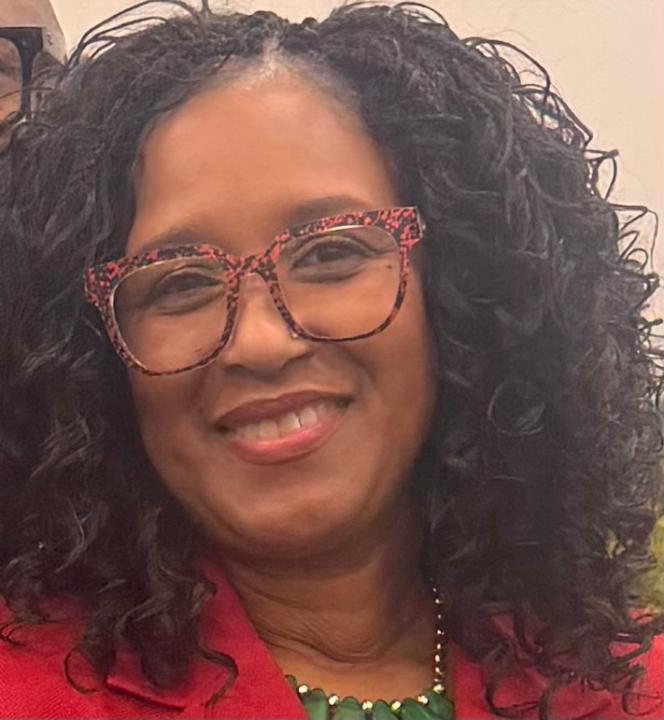
@sharon-bennett-8757
I have trained to be an end-of-life doula and advanced care planner, but haven't really begun to work in either area due to life, life-ing!
Active 3d ago
Joined Jan 6, 2026
San Antonio, TX
Powered by