
Pinned

Mar 3 •
📌 Start Here – Stage 1: Project Execution Blueprint
Welcome to Construction Project Leaders. This is Stage 1 - Project Execution Blueprint. Do This First: 1. Watch The Videos In Order (Go To "Classroom") 2. Take The Skill Assessment 3. Post Your Score In 📝 Skill Scores & Introductions Use This Format: Name: Score: Biggest Gap: Be honest. Ownership starts here!
14
0
Pinned
Mar 3 •
📌 How To Use This Community
📝 Skill Scores & Introductions: Post your quiz score and biggest gap. 🤔 Project Challenges: Post real issues using this format: What Happened Which Pillar Is Weak What You’re Doing About It 🏆 Execution Wins: Post structured wins only. This is an execution room. Not a motivational group.
11
0
Pinned

Feb 19 •
🚨 Welcome - Introduce Yourself Here 🚨
Introduce Yourself 🤝 Use This Format: 1. Name: 2. Skill Assessment Score: 3. Biggest Gap: Be honest. Ownership starts here! 2. Head over to the classroom and take action. 🚀
Poll
10 members have voted

6h •
how do i make two estimators land in the same ballpark on the same job?
Use one priced line item breakdown and a short assumptions checklist so both estimators use the same inputs and math. Most variance comes from different assumptions, missing line items, and inconsistent labor rates. Build a one page estimate template that forces crew hours, material allowances, sub pricing, equipment days, and a contingency as separate line items, with columns for unit, qty, and unit cost. Keep an assumptions box next to the estimate that calls out site access, existing condition unknowns, permit timing, and who's responsible for cleanup so nothing gets quietly assumed. Do a quick side by side training where two people price the same mock job and you reconcile the differences into the template; skipping this leaves you with margin bleed and surprise change orders. how are you keeping quotes tight between people today and what's the one thing you'd add to your estimate template this week?
0
0

11h •
Wins & Wishes: Let's Talk Business!
We're already in October, which means about three months are left in the year. Let's take a moment to celebrate and look ahead. 1️⃣ What's your biggest business win so far this year? Big or small, a new client, a sale, a lesson learned, it all counts. 2️⃣ If you could make one wish for your business before the year ends, what would it be? More customers? A better system? More time? website buiding? Tell us. I'll go first: my wins so far this year is having a large business and seeing other businesses i helped winning but my wish is to increase my business portfolio before the year ends. Drop your answers below. Let's cheer each other on and see who can help make those wishes happen.
0
0
1-30 of 82
skool.com/constructionprojectleaders
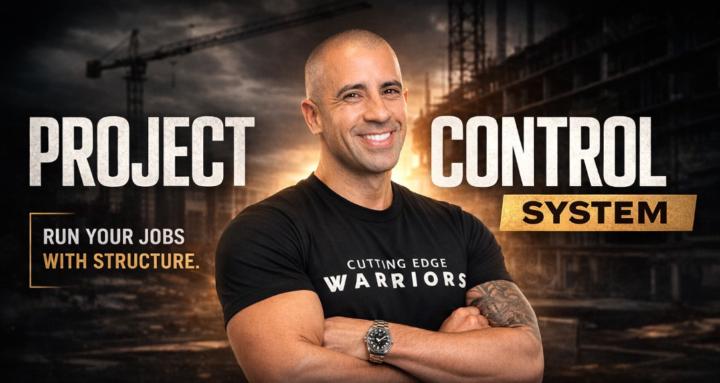
🚀 Learn How To Run Construction Projects With Structure, Control, And Profit…. And Grow From Operator To CEO.
Leaderboard (30-day)
1

+11
2
+6
3
+3
4

+3
Powered by