Activity
Mon
Wed
Fri
Sun
Nov
Dec
Jan
Feb
Mar
Apr
May
Jun
Jul
Aug
Sep
Oct
What is this?
Less
More
Foss Performance
25
Free
4 contributions to Foss Performance

Nov '25 •
Thank you ❤️
I have been reflecting this morning not just on the holiday, but on the community. When I started this the goal was never to “build a coaching program.” It was to build a space where people could finally stop doing this alone. A space where you can: → Ask without judgment → Fail forward without shame → Rebuild your relationship with food → Challenge old beliefs → Learn how to take care of yourself in a way that was sustainable, not punishment driven. Watching you all show up with honesty, consistency, and effort, that’s the heartbeat of FP. Every check in. Every message. Every win. Every setback you’re willing to talk about. That’s what makes this work. And here’s the part most people overlook: You’re not here by accident. You’re here because a part of you finally chose to push the chips forward and go all in on yourself. Wherever you’re spending the day- with family, friends, work, travel… I ask that you take a second to acknowledge how far you’ve come. Not just physically. But mentally. Emotionally. Habitually. Identity wise. The version of you reading this is miles ahead of the one who once doubted change was possible. Madison and I are grateful for your trust, your effort, and your honesty. Thank you for letting us be part of your story. Enjoy your day. Stay present. And remember: you don’t need perfection to move forward, just intention and honest self reflection. Happy Thanksgiving, beautiful people You go further when you go together🚀 -Foss❤️

0 likes • Nov '25
Do thankful to have this community and support
Nov '25 •
{FP} // 🎁HOLIDAY SURVIVAL PROTOCOL🦃
Structure leads to → Freedom Precision leads to → Progress Identity leads to → Sustainability 1. The Core Rule: Choose Your Anchor Pick ONE non negotiable for the week: → Protein anchor: 30–40g per meal → Steps anchor: 8–10k/day → Training anchor: 2–3 sessions minimum → Hydration anchor: 80–100 oz/day You don’t need to be perfect, you need an anchor. 2. The Two-Aligned Meals Strategy On holiday or event days: → 2 meals aligned (protein + fiber + moderate carbs) → 1 meal flexible (the celebration meal) This keeps you progressing without sacrificing the moment. 3. The 24 Hour Bounce Back Rule After any big meal: → Hydrate aggressively (40–60 oz in the morning) → Hit a long walk >6k steps → Return to normal meals No restriction. No “making up for it.” Just alignment. 4. The “Holiday Plate Framework” Half plate → protein + veggies Quarter plate → carbs Quarter plate → holiday item (bread, stuffing, mac) Then enjoy dessert with zero guilt. 5. The Travel Protocol When traveling: → Pack 2 protein options (bars, shakes, jerky) → Bookend your day with movement (AM 15 mins + PM 15 mins) → Default to “one aligned meal per day” on high chaos days Travel doesn’t break progress, chaos does. 6. The Mindset Shift Holidays don’t ruin progress. Abandoning structure does. The goal isn’t restriction. The goal is alignment. 7. Identity Reminder You’re not trying to survive the holidays — you’re learning to live with structure inside them. That’s what makes the change permanent. → What’s the ONE anchor you’re locking in this week no matter what? Drop it below, structure starts with a single decision. Share it so the rest of the team can stack momentum with you. -Coach Foss
1 like • Nov '25
My anchor will be protein
Nov '25 •
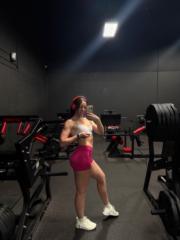
🏅 WHAT PEOPLE WHO SEE THE BEST RESULTS DO ON REST DAYS(and why you shouldn’t spend the whole day lying down)
Most people think “rest day” means doing absolutely nothing — staying in bed, skipping movement, shutting everything down. But the people who make the fastest progress and feel the best long-term? They don’t stop. They shift gears. They treat rest days like part of the plan — not a break from it. 🔥 THE BIGGEST MISTAKE MOST PEOPLE MAKE ON REST DAYS Resting ≠ being inactive. You don’t recover by becoming a statue. When you spend the entire day sedentary, blood flow slows, muscles tighten, and you often feel more sore, groggy, and inflamed the next day. People who consistently see results know the goal isn’t to “do nothing”…It’s to recover on purpose — and recovery requires movement. 💡 WHAT HIGH-RESULT INDIVIDUALS DO INSTEAD People who feel healthier, leaner, stronger, and more energized build these habits into their rest days: 1️⃣ Low-Intensity Movement (Non-negotiable)Walking, light biking, gentle mobility flows — all of these increase circulation without adding fatigue. Movement helps deliver nutrients and clear out soreness from previous training. 2️⃣ Mobility & Range-of-Motion Work A few minutes of stretching or mobility keeps joints healthy, lifts cleaner, and prevents the aches and pains that stall progress. 3️⃣ They Don’t Eat Less “Because It’s a Rest Day” Your body rebuilds on rest days. You need calories, protein, carbs, and micronutrients to repair muscle, stabilize hormones, and recover well. 4️⃣ Nervous System Reset Activities This includes breathing work, stretching, sunlight, gentle yoga, sauna — anything that shifts you out of “stress mode” and into recovery. 5️⃣ They Stay ConsistentRegular wake times, meals, hydration, walking, and bedtime. Results come from rhythm — not randomness. 🏃♀️ WHY ACTIVE RECOVERY WORKS FAR BETTER THAN DOING NOTHING Low-intensity movement helps you: - flush out soreness - improve blood flow - speed up muscle repair - reduce inflammation - regulate blood sugar - balance hormones - lower stress - feel more energized the next day
2 likes • Nov '25
I also don’t really have a rest day, yes I have days I don’t go the gym and those are typically weekends. But I feel I move a lot on the weekends with trying to clean the house, playing with 2 toddlers and running errands that I can’t do during the week. What I will make sure to start adding on a rest day is a hike in the morning that I am going to start doing with a friend and if not the hike take my kids for a walk at the evening for some family time.
Oct '25 •
🗓 Help Choose Our Next Call Time!
I want to make sure our next round of community Zoom calls fits you and your schedule best. These calls are where so many of the lightbulb moments, mindset shifts, and real breakthroughs happen, so I’d love your input before locking in the new time. Drop your vote below 👇 ALSO, drop in the commente any topics you want to see on the upcoming group call calendar. Thank you in advance. -Coach Foss
Poll
15 members have voted

1 like • Oct '25
Done
1-4 of 4
@michelle-messmer-7243
My name is Michelle, I am a 42 yo mother of 2 young boys. I am trying to make my health better and prepare for one more pregnancy next year.
Active 257d ago
Joined Oct 21, 2025
Powered by