Activity
Mon
Wed
Fri
Sun
Nov
Dec
Jan
Feb
Mar
Apr
May
Jun
Jul
Aug
Sep
Oct
What is this?
Less
More
Owned by Rasheed
Forget retirement. Decide how you want to live and start living NOW. You can pay for it as you go. This is where you figure it out. Life is a LAB
19 contributions to Skool Events Daily

🔥
2d •
🛠️ Workshopping with Weirdos 🌀
Bring the idea. Bring the challenge. Let’s get unstuck together! 🚀 Got a project you’ve been meaning to move forward? Bring it to this lively, no-pressure workshop! @Rena Nicole and @Rasheed Hooda will help you brainstorm fresh ideas, get useful feedback, and find a next step you can take. Come to share, ask questions, cheer others on—or just see what sparks. Your project doesn’t have to be polished. Just bring your curiosity and your wonderfully weird self! ✨ 📅 Wednesday, October 14 ⏰ 6:00–7:00 AM Los Angeles time 📍 Join free on Google Meet:https://meet.google.com/sxj-aqgf-orm We gather every Wednesday. Grab your coffee and come create with us! ☕🎨

🔥
2 likes • 2d
@Des Dreckett A few. The way I see it, One Life Impacted is worth it.

🔥
22d •
You posted your event once. That's why nobody came
So I treat every presentation in my communities as a mini launch. Here's what that looks like in practice: 𝗧𝗵𝗲 𝘄𝗲𝗲𝗸 𝗯𝗲𝗳𝗼𝗿𝗲: I create the calendar event and post about the session, covering the problem it solves and why I invited this particular guest. 𝗔 𝗳𝗲𝘄 𝗱𝗮𝘆𝘀 𝗯𝗲𝗳𝗼𝗿𝗲: A second post with a fresh angle. That could be the guest's story, a result they've had, or what people will walk away with. 𝗢𝗻 𝘁𝗵𝗲 𝗱𝗮𝘆, 𝗜 𝗽𝗼𝘀𝘁 𝗳𝗼𝘂𝗿 𝘁𝗶𝗺𝗲𝘀. A morning reminder, then 1 hour to go, 30 minutes to go and 10 minutes to go. That might sound like a lot for one day. But the day itself is when most people decide whether to turn up. Someone who saw my post last week and meant to come has probably forgotten by Thursday afternoon. The countdown posts catch them at the moment they can actually act on it, and each one puts the join link right in front of them. 𝗔𝗳𝘁𝗲𝗿𝘄𝗮𝗿𝗱𝘀: The replay goes up with a few key takeaways and the date of the next event, because a big share of people watch on demand rather than live. The early posts each give people a new reason to care. The day-of posts are there to get them through the door. Posting "don't forget Thursday!" every day for a week would be spam. Short countdown reminders on the day are just being helpful.

🔥
4 likes • 22d
Love your system. I need to start practising it.

🔥
Sep 6 •
Houston, We Have an Interview Queue 😂
Hello, hello! You can have a read here or listen into my short message. A quick message to say a HUGE thank you to everyone who put their hand up for one of our event interviews. The response has been brilliant — I’m very impressed! There is, however, one tiny drawback… There are currently 16 of you wanting an interview and only one of me. 😂 I’ve already booked some of you in, and I’m working through everyone in the order you responded — so it really is first come, first served. If you haven’t heard from me yet, don’t panic. You are on my list and I will get to you. It just might not be in time for an event you have happening next week. I am not Superwoman. I’m good… but I’m not that good. 😂 If we can’t get your interview done before your next event, we can still have a chat the following week and talk about the types of events you run, what you’ve got coming up and give people a chance to get to know you a little better. So bear with me. My calendar already has plenty going on, but I promise I’ll work my way through you all. And considering this was only meant to be a little trial… I think we can safely say you lot rather liked the idea! 😂

🔥
8 likes • Sep 6
@Heather Wilson I agree with what @MamaJ Hollows said
🔥
Sep 5 •
🎤 Fancy Being Interviewed About Your Event?
I’m going to be trialling something new for members who have an event coming up — short, informal interviews all about you and your event. The idea is to give you a bit more space to talk about what you’ve got coming up, what people can expect, who it’s for and why they might want to join you. But there’s another reason I want to try this. Sometimes a post or event description only tells you so much. Actually seeing and hearing the person behind the event gives people a chance to get a feel for your energy, your personality and whether they feel they align with you. We’ll start by sharing the interviews here in Skool Events Daily and, if they work well, we’ll look at featuring them on our website and possibly our YouTube channel too — giving your event even more visibility. Nothing long or complicated. Just a short chat about you and what you’ve got coming up. So… who’s in? 🙋♀️🙋♂️ Who has an event coming up and would like to be one of the first to give this a go? Pop your hand up below 👇

🔥
5 likes • Sep 5
Me, me, Pick me!
🔥
Aug 19 •
How to get discovered using YouTube when people are not using your obvious keywords
Have you ever felt lost trying to figure out how for find members to your community? OR potential Clients for your product or service? I know I have struggled with it quite a bit, until I talked to @Des Dreckett about it. @Des Dreckett doesn't really need an introduction, but just in case you don't know, Des is THE YouTube Guy on the Skool Platform. My community is called Embrace Your Inner Weirdo and I didn't know how to go about attracting new members because nobody is using that as a search Keyword. DES is doing a masterclass on how to use YouTube to help your potential members/clients find YOU because of YOUR uniqueness, or YOUR Inner Weirdo. The Masterclass is scheduled for Monday August 24th at 1:00 PM Eastern / 10:00 AM Pacific / 6:00 PM UK Time. Mark you calendar. You don't want to miss this one.
1-10 of 19
🔥
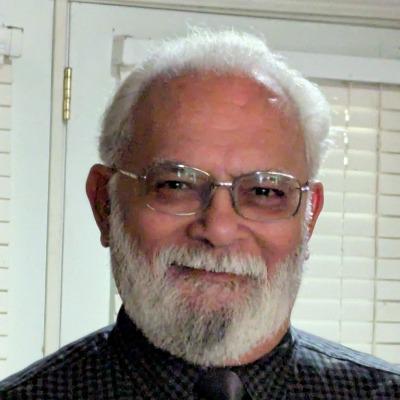
@rasheed-hooda-8821
Helping men and women in transition build the life they want to live and find a way to pay for it without stressing about money.
Active 40m ago
Joined May 7, 2026
INFP
Houston TX
Powered by